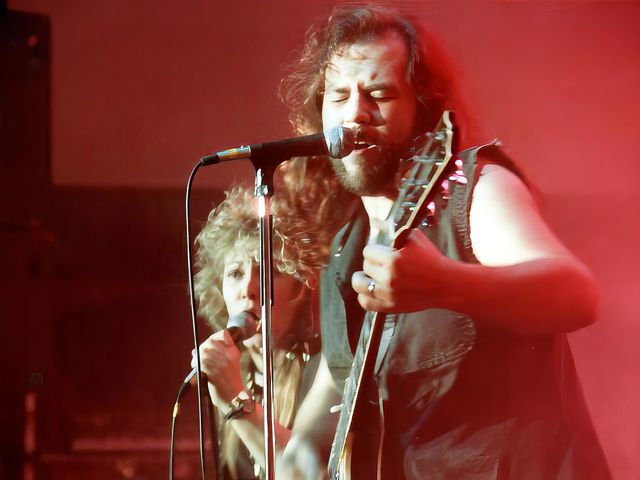
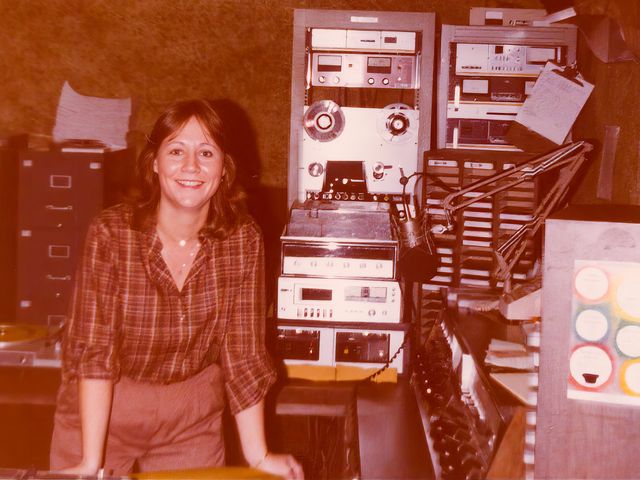
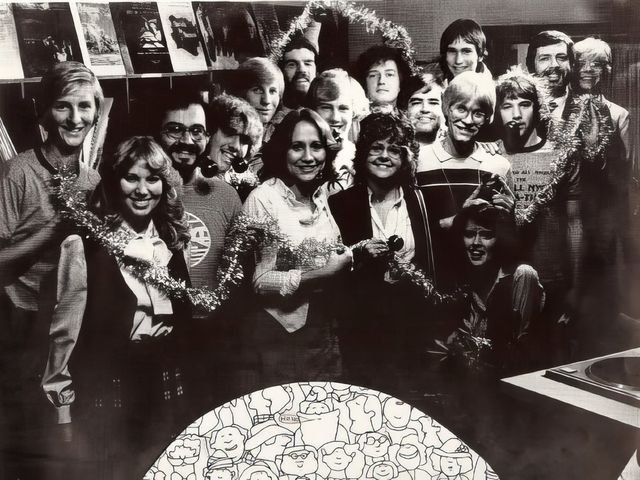
A DJ slides a record from its sleeve and lays it on the turntable. The tonearm swings over, the needle finds the groove. A brief crackle before the music starts. Over three and a half minutes, that song would travel from KLYT’s Albuquerque studios through a transmitter on Sandia Crest and into the car stereos and headphones of youth who needed to hear that God loves them and knows the struggles they face.
That scene, or a version of it that followed the march of technology over five decades, played out in the KLYT studios countless times during the station’s history. It started in the autumn of 1976, a season of new arrivals. One arrival was the FCC license that put KLYT on the air at 88.3 on the FM dial on September 20. It was the culmination of years of preparation by the founders of KLYT and the Christian Broadcasting Academy that dated back to as early as 1973.1
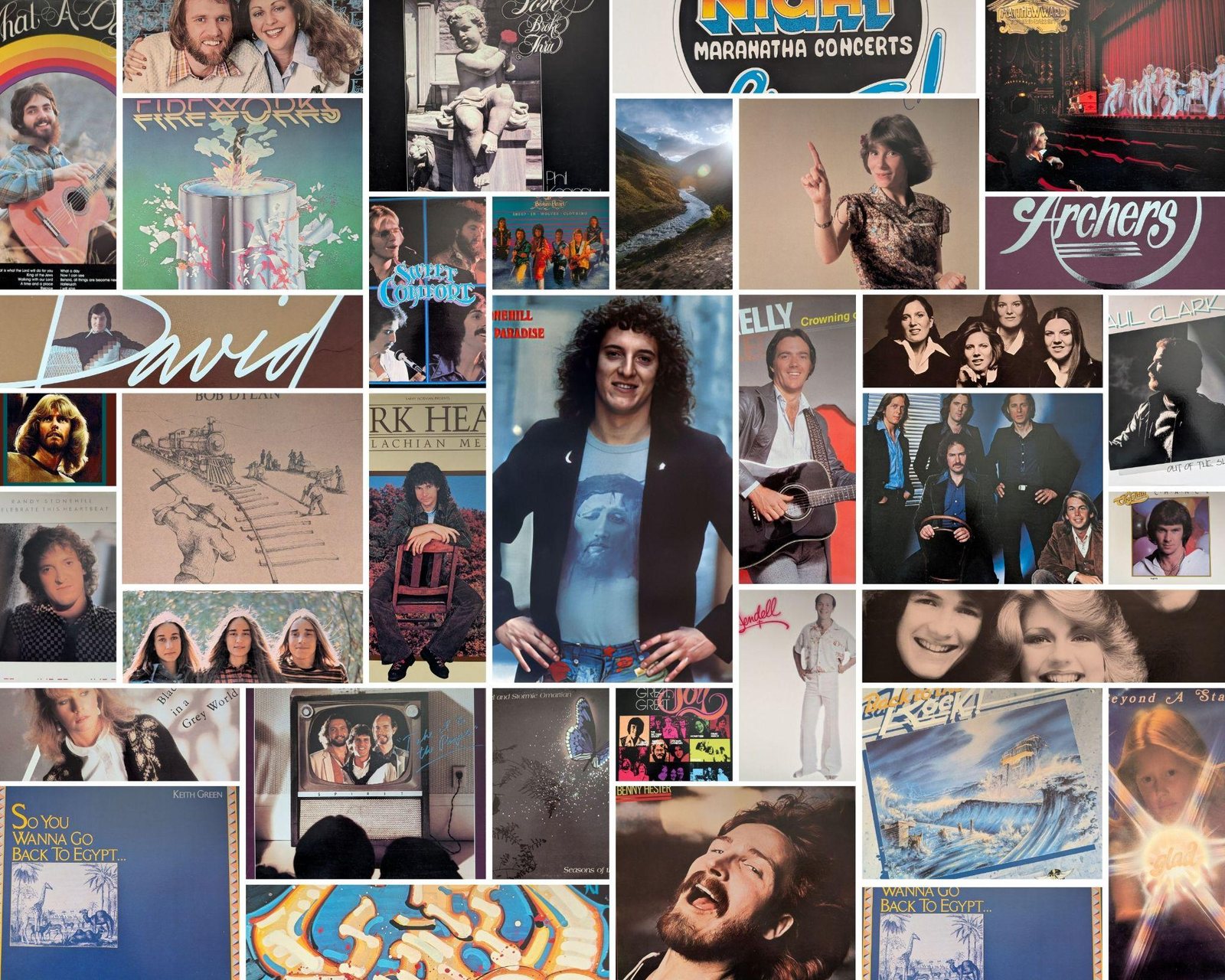
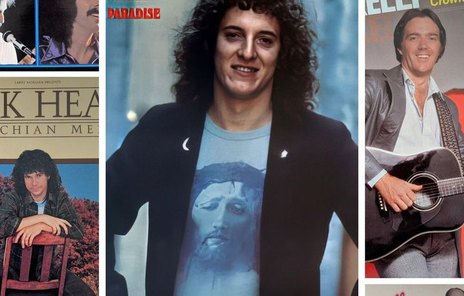
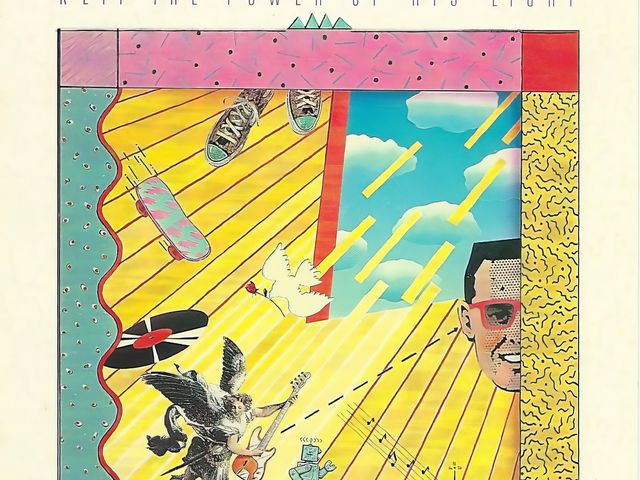
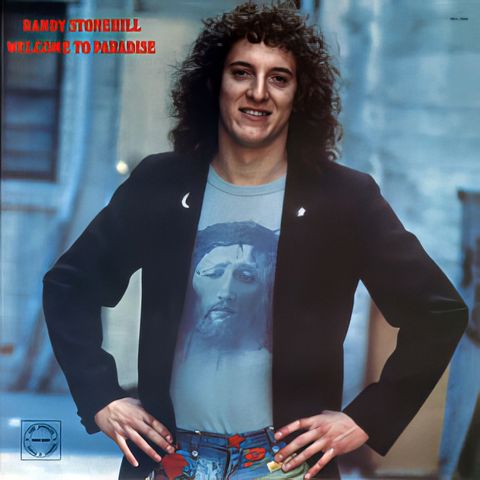
At about the time KLYT went on the air, Randy Stonehill’s LP Welcome to Paradise made its way through the doors of the studios on Phoenix Ave. and San Mateo Blvd. As KLYT’s first production director, John Duffy, later recalled, the music on the LP struck like a meteor.2 Stonehill’s record was just one of what turned out to be a meteor shower of new artists and music emerging in a genre called Jesus Music. That music would help carry KLYT’s mission to transform the lives of young people to every corner of the state.
The Jesus Movement
In the late 1960s and early 1970s, there was a spiritual awakening among America’s youth. The Jesus Movement spread through coffeehouses, concerts, and beach baptisms. But it was the music that traveled fastest and had a visceral impact. By the early 1970s there was a growing catalog of Jesus Music, and a growing audience that wanted to hear it. What was missing were radio stations to play the music.
A few stations began to fill that gap. In March 1975, KBHL signed on at 95.3 FM in Lincoln, Nebraska, becoming the first full-time Jesus Music station in the country.3 Nine days later, KYMS at 106.3 FM in Santa Ana, California, flipped its format from acid rock to Jesus Music. Both were format conversions of existing stations. Records arrived, a switch was flipped, and the music went out.
What was happening in Albuquerque was more deeply rooted and started from scratch. In 1970, the Rev. Raymond Franks, Jr. and his wife Ida Huletta moved to the city and founded Evangel Temple Assembly of God.4 Both were ordained ministers. Ida was a composer, a public school teacher, and the first New Mexico state music director for the denomination.5 Ray hosted an afternoon Gospel music program on KKIM-AM.6 By 1973 the Franks were planning a radio station, and in August 1974 they opened the Christian Broadcasting Academy at 418 Louisiana SE.7 The academy’s purpose was to train broadcasters from a Christian perspective, provide programming and production assistance to religious broadcasts, and help churches make more effective use of media. Courses covered programming, production, broadcast journalism, sales, promotion, electronics theory, and FCC licensing. The plan was for the radio station to emerge from the academy.
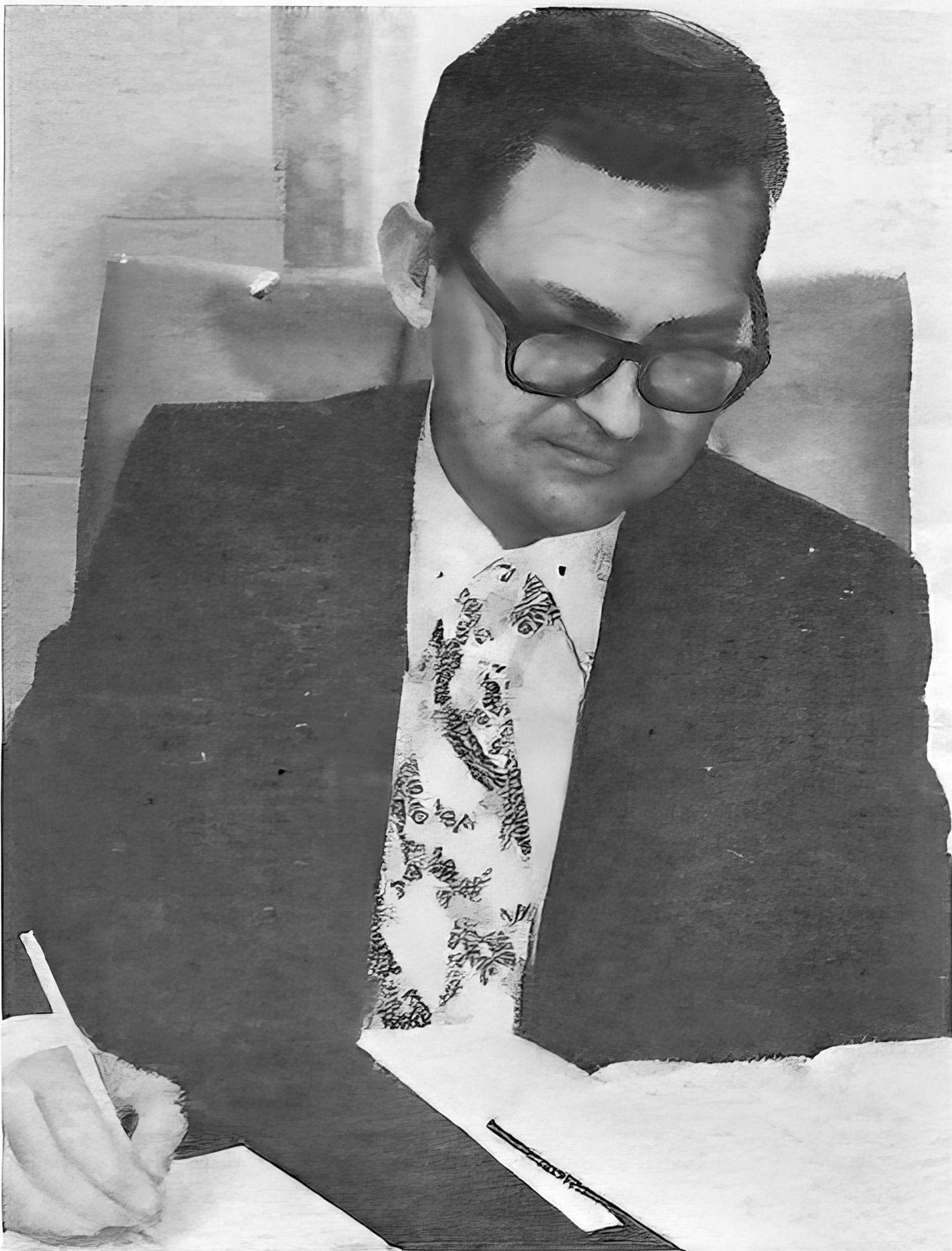
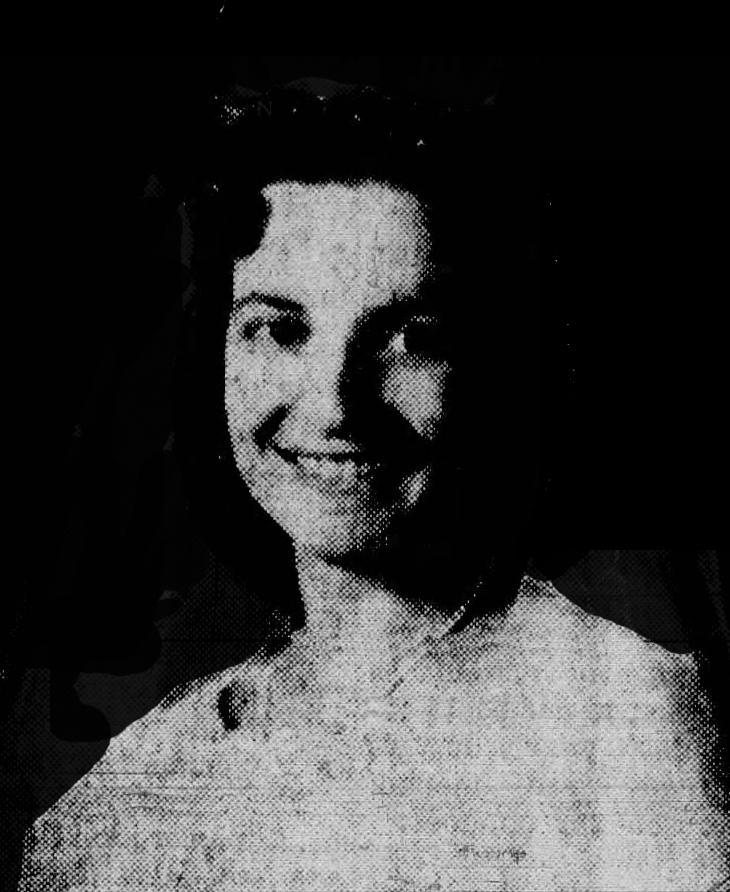
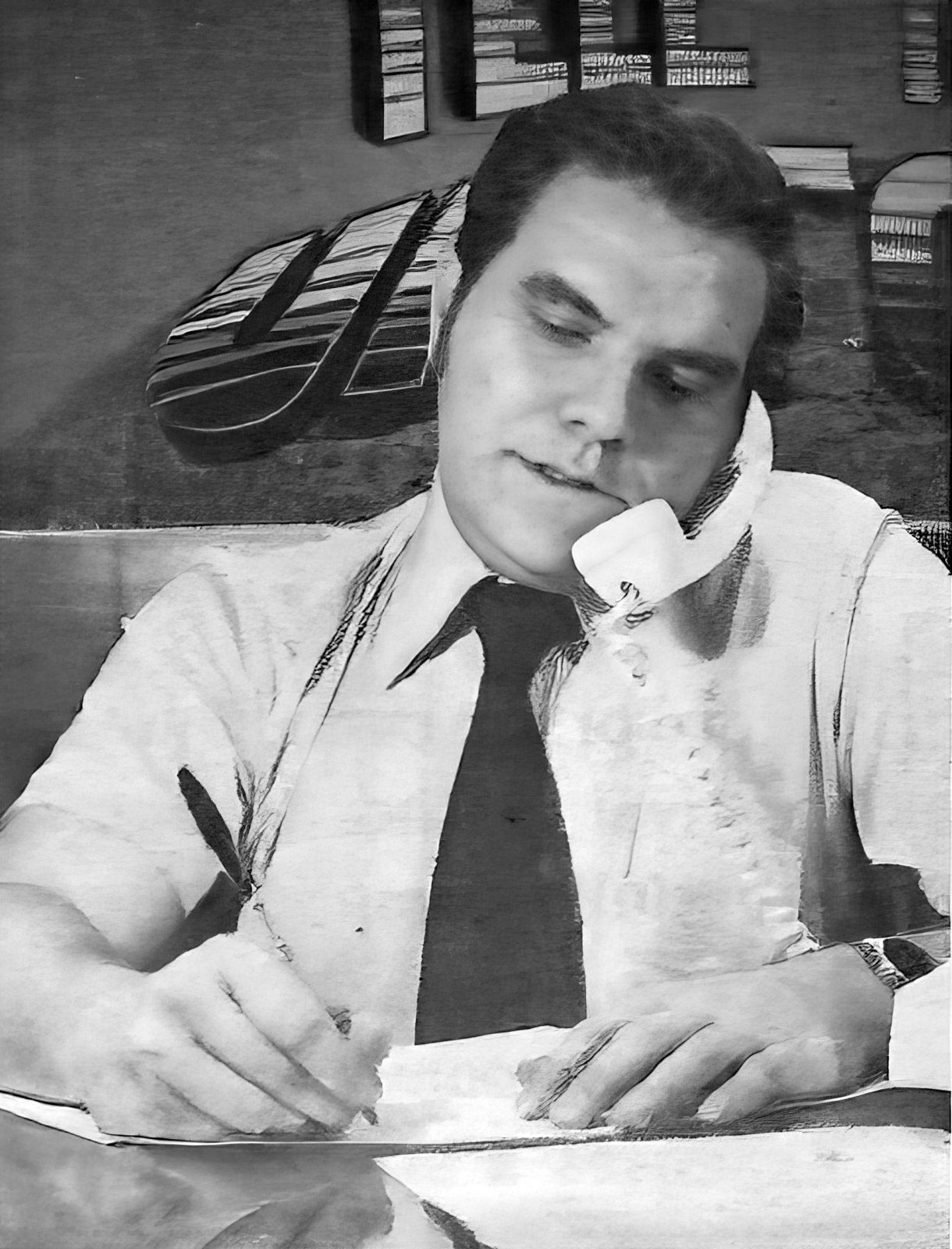
On September 11, 1975, CBA filed an application with the Federal Communications Commission for a construction permit for a new non-commercial educational FM station on 88.3 megahertz, with an effective radiated power of 3.36 kilowatts.8 The transmitter would sit atop Evangel Temple on Candelaria Boulevard. The officers and directors on the filing were Raymond Franks, Dave Briggs, and Ida Huletta Franks. Paul Lehrman, a friend of Briggs, had moved to Albuquerque with his wife to serve as the station’s first program director.9 The FCC granted the construction permit in the spring of 1976.10
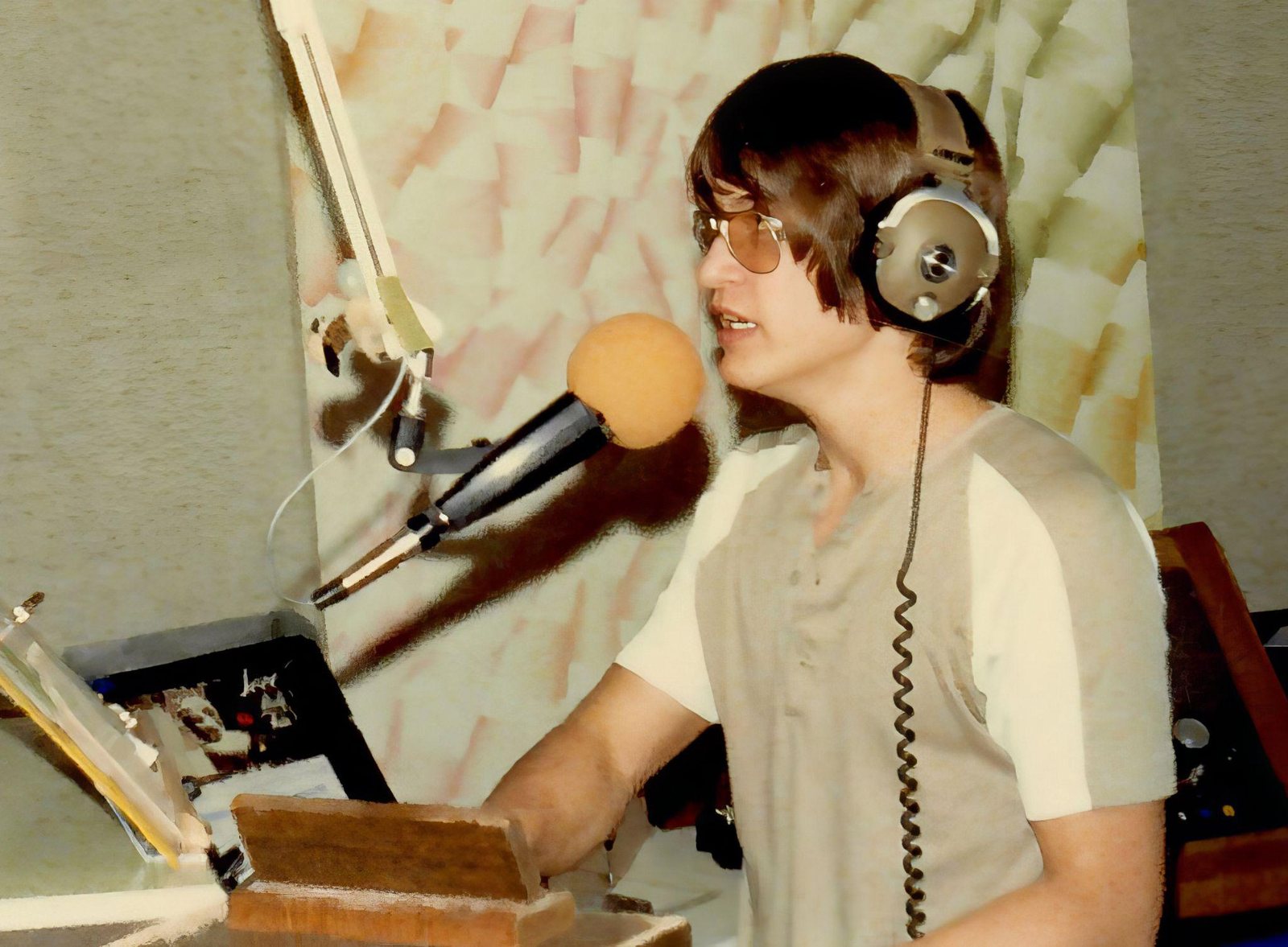
Briggs contributed his personal studio ribbon microphone and other broadcast equipment. An orange, hollowed out Nerf ball served as a budget pop filter over the microphone’s diaphragm.11 The first antenna was a second-hand, horizontal-only unit that Briggs bought for six or seven hundred dollars. Briggs mounted it on a pole at the Candelaria church where the Franks pastored, and set up two dedicated phone lines to carry a stereo signal from the studios on Phoenix Avenue to the transmitter at the church.12
With a helping of ingenuity and lots of prayer, KLYT went on the air on September 21, 1976. By Duffy’s estimate, the signal went about six hundred feet during those first hours.13 The initial DJs were Duffy, Donna Reed Neff, Mike Neff, Roger Parks, Mike Haverland, and Jeff Simon.14 Six or seven of them were needed to fill a twenty-four-hour broadcast day. They played records, made Christian message spots on eight-track cartridges, and pulled news from the Albuquerque newspapers.
At full power, the station’s broadcast had a very limited range over Albuquerque’s Northeast Heights. It ran on faith, volunteer labor, and whatever Dave Briggs could find at the Sandia Laboratories monthly flea market. Ray Franks, Jr.’s vision was for a station built around preaching and traditional gospel music, serving adults and the elderly.15 Within a year, the direction changed. The people around the station were hearing something new in the music arriving from California and Nashville and small studios around the country, and they wanted to play it. The question of what faithfulness sounded like on the radio became the central argument of KLYT’s ministry over the decades. What came next may not be what the Franks envisioned, but it was beginning to bear fruit.
100 Square Blocks to 100 Miles
In January 1978, Victor R. Emert was introduced to the KLYT staff as the new general manager.16 He was a former rock drummer from Dallas who had spent years in drug dependency before having a born-again experience and shedding his addictions. Emert had earned a fine arts degree from the University of Texas, hosted a talk show on WRVR Radio in New York City, and most recently served as director of DARE, a faith-based substance abuse treatment center in Albuquerque.17 He was ordained into the Evangelical Church Alliance in 1977.18 When he arrived at KLYT, the station was a shoestring operation with an 80-foot tower on Candelaria and a range of roughly a hundred square blocks.19 Among the discussion topics at an early staff meeting on Good Friday 1978, was the desire among the announcers to play more of the energetic rock, country, and blues-based Jesus Music being produced by artists like Resurrection Band, Michael Omartian, Randy Stonehill, and Larry Norman. Emert agreed enthusiastically.
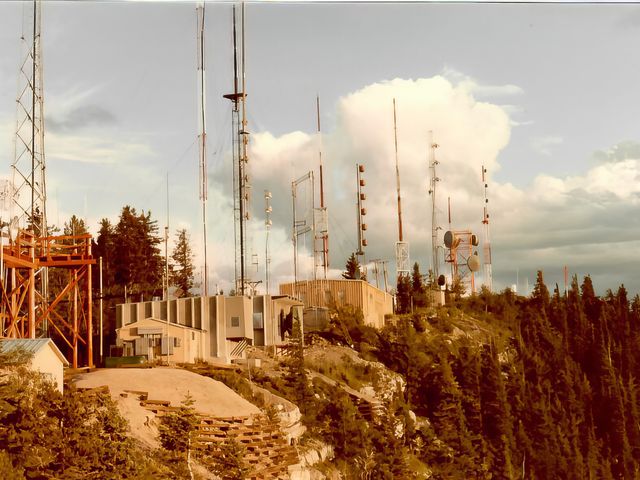
That same year, Dave Briggs set out to solve the station’s range problem. He had secured a permit from the Forest Service to build a transmitter on the last available broadcast site on Sandia Peak. In July, Briggs and volunteer Jeff Simon hauled equipment up the mountain and installed a new four-bay circular antenna on a 90-foot tower.20 The tower was kept just under a hundred feet to avoid the expense of an aviation warning light. KLYT’s listening range jumped from roughly ten miles to a hundred.
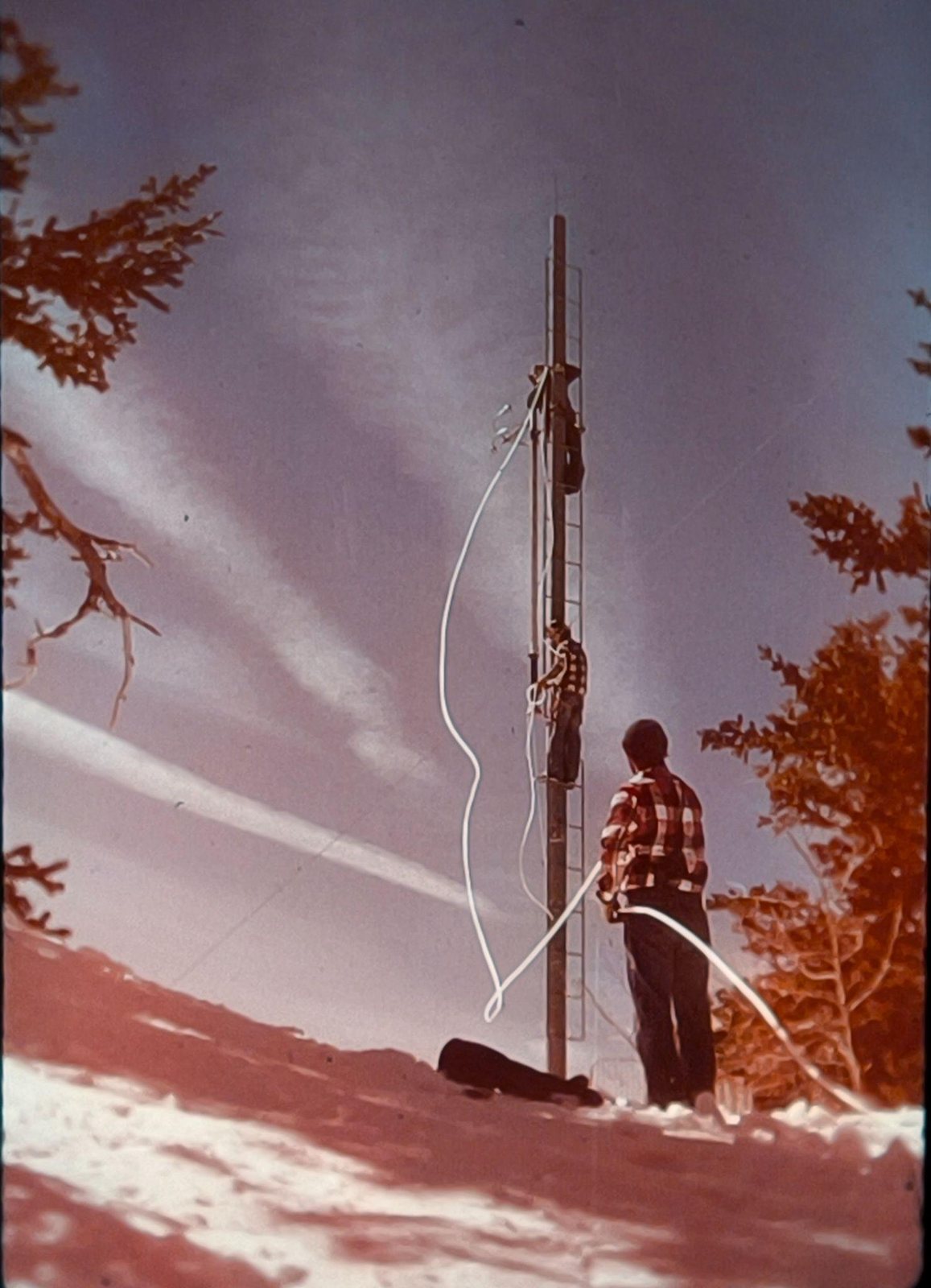
The mountain would test them. The heating coils meant to keep ice from building up on the antenna bays had been wired for 110 volts instead of 220. The error broke Briggs’ heart.21 Ice accumulated and bent the bays, knocking the station off the air. A third antenna was fitted with fiberglass domes to protect against ice, but during a severe winter storm the ice spanned the width of the domes and didn’t break off. KLYT went silent again.
Duffy, who had worked as an oil derrick hand in New Mexico’s gas fields, volunteered to climb the tower. At 88 feet above the 10,500-foot mountain terrain, in ten-below-zero weather, he photographed the damage with an Olympus OM1 camera strapped to his chest, his bare left hand holding the camera while his right arm was wrapped around the tower.22 The insurance company covered the repairs. Larger domes were installed.
Eventually Briggs made a deal with MCI, the telephone company, which needed an antenna site on the Crest. He surrendered KLYT’s 99-year site rights in exchange for the MCI corporation’s permanent structure with an antenna platform maintenance of KLYT’s antenna.23
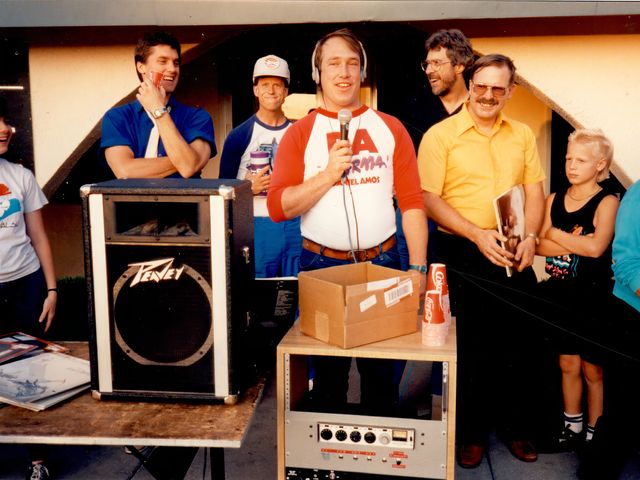
By mid-1979, the KLYT studios had relocated from Phoenix Avenue to new facilities at 3107 Eubank NE in the Scottsdale Village shopping center. It was built over nine months largely by volunteer labor.24 Ben Shrake, Joyce Emert’s son, designed the layout.25 Duffy produced his first homemade station ID for KLYT one morning, voicing over a track from Tomita’s Snowflakes Are Dancing album after gargling lemon juice to relax his vocal cords. Briggs responded with uncharacteristic emotion. “That’s as good as anything out of New York City,” he said. “Put it on the air immediately.”26
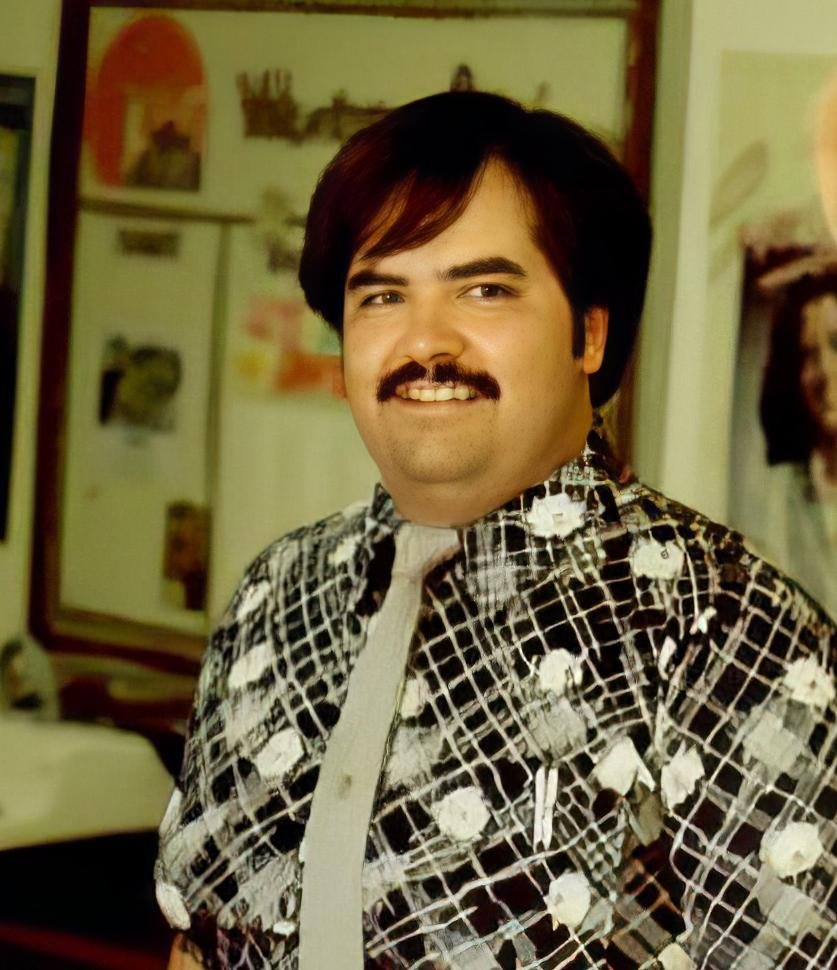
Under Emert’s leadership and with Rudy Grande as program director, KLYT began to grow. Grande had come to the station from commercial radio, having worked at KRKE, KZZX, and KOB.27 The station’s monthly budget increased from $900 to $7,400.28 Emert insisted that KLYT be “technically and artistically as good as any other radio station.”29 The music had to be excellent, not just earnest. Listener Jerome York put it more simply: “It’s not just the best Christian music, it’s the best music.”30
The playlist during this period reflected the expanding universe of Christian music. Randy Stonehill remained a mainstay, joined now by Liberation Suite, Fireworks, John Mehler, Petra, DeGarmo and Key, Amy Grant, the Second Chapter of Acts and a host of others. Bob Dylan’s Gospel albums were played frequently on KLYT. Listeners also heard artists familiar on secular radio that had music tracked by the burgeoning Christian music industry. This included Donna Summer, Kerry Livgren of Kansas, Mark Farner of Grand Funk Railroad, Deniece Williams, Philip Bailey of Earth Wind and Fire, Al Green, Dan Peek of America, and popular New Wave acts including After the Fire, and Kajagoogoo.
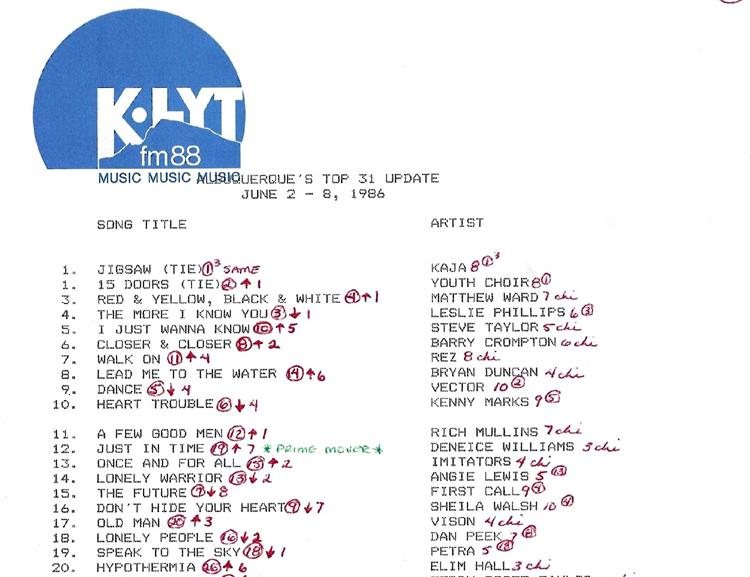
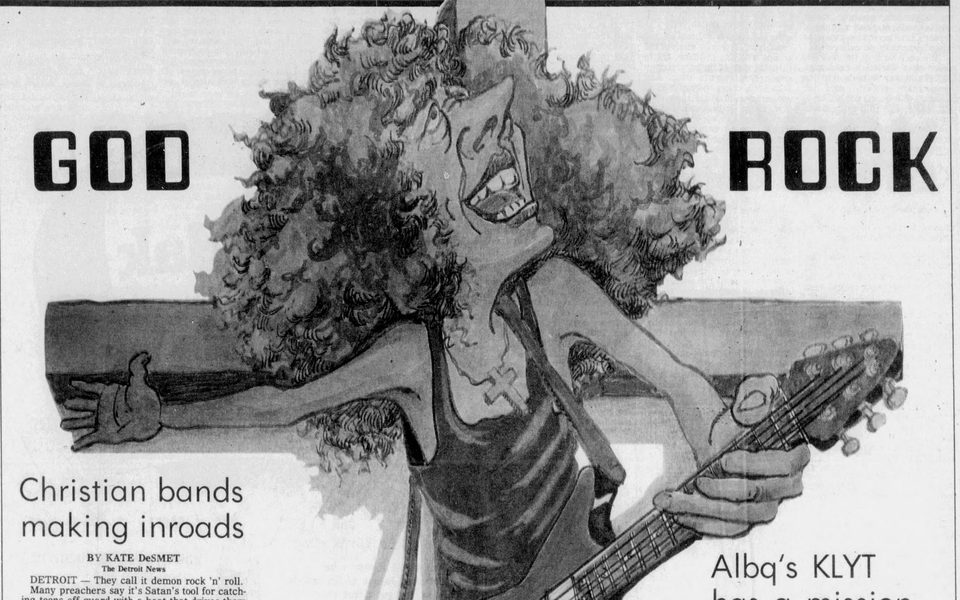
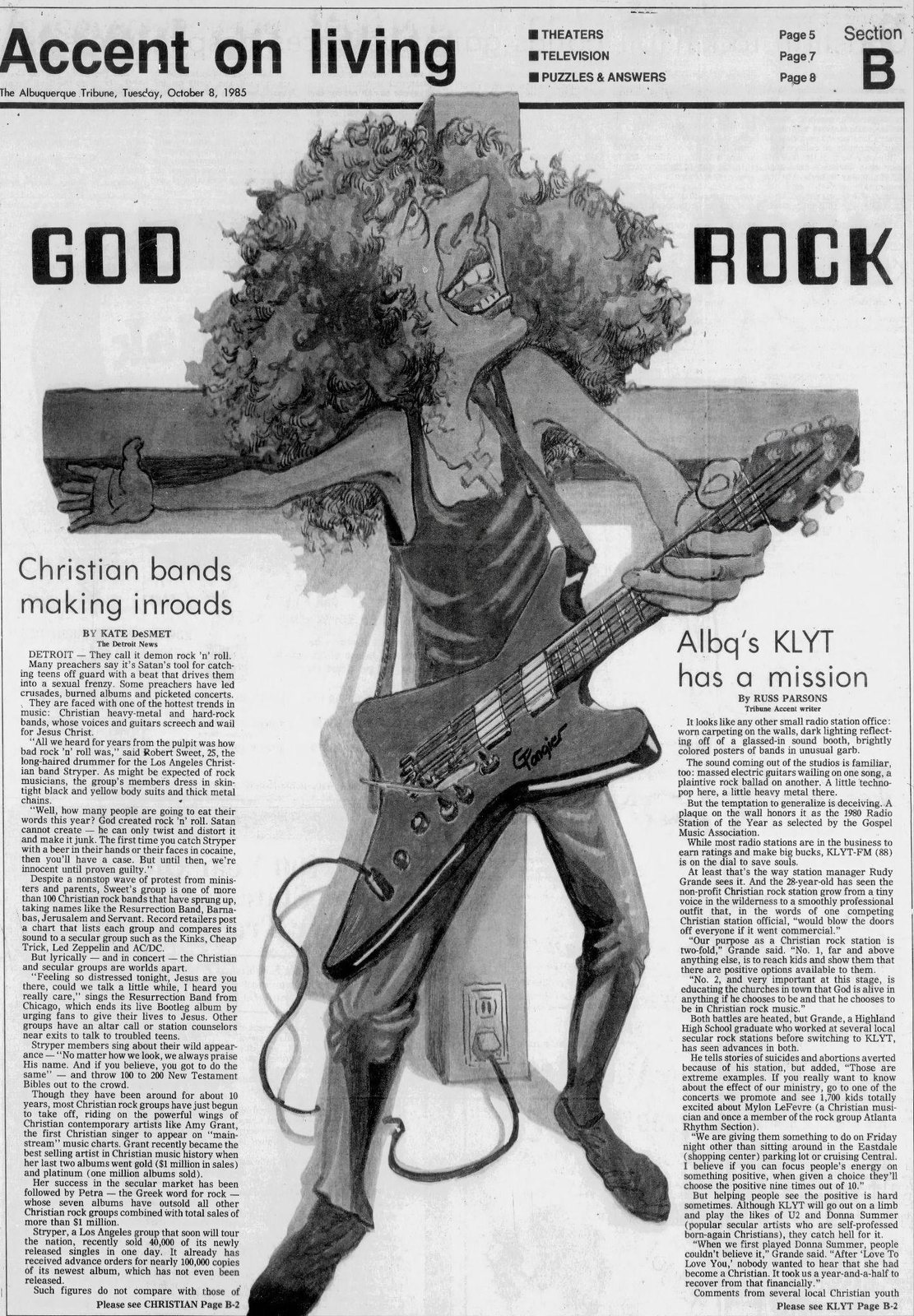
Playing secular crossover artists was not without cost. Rudy Grande mentioned that, despite Donna Summer’s very public conversion to Christianity, it took a year and a half to recover financially from lost donations to the station after putting Summer’s songs on the playlist.31 Local churches that already viewed Christian rock with suspicion pushed back. In a 1985 Albuquerque Tribune article, Chris Marx of Hoffmantown Baptist Church acknowledged the station’s goals but argued that rock music overplayed instruments at the expense of the message, and had an “addictive effect on our young people.” Tom Radigan, associate youth pastor at Sandia Baptist, went further, calling the very concept of Christian rock ambiguous. Skip Heitzig of Calvary Chapel stood four-square behind KLYT, estimating that half his congregation listened.32 Grande, reflecting on the early years, was candid: “The first five years we were raked across the coals in the churches, but there was always a segment of the community that saw the same vision we have.”33 The listeners saw it too. “It presents Jesus in a real way,” said Greg Sanchez, “instead of some high-falutin religious trip.”
The music was embraced in ways few anticipated. Students at Albuquerque high schools could be heard listening to KLYT during lunchtime in the school quads. “We got the ratings,” Grande recalled. “We were 13th in the market in Albuquerque. It’s because we cut through.”34 For Steve McKee, an unchurched high school senior who stumbled into the Christian Broadcasting Academy and spent the next several years working at the station, the music filled a need in his life. “It allowed me to incorporate a part of my life that was so very important to me in a way that actually helped me grow in my Christian faith rather than challenged it,” McKee said. “To this day, it’s affected me.”35 Decades later, the hallway of the station was filled with signed gold records from artists thanking KLYT for its support, evidence of the station’s national standing.36 Young listeners didn’t need gold records to tell them what they already knew. “I’m young and I like to hear rock n roll,” said listener Mark Huerta, “and I don’t think there’s anything wrong with it, so long as, you know, it’s got the word of the Lord in it.”37
Emert’s own position was more nuanced than either his critics or his supporters sometimes recognized. He was a rock fan and a crusader against what he called “Satan rock.” He kept a Black Sabbath T-shirt on a shelf in his office, left by a nineteen-year-old Del Norte High School student. Gene March had driven to the KLYT studio the morning after a Black Sabbath concert at Tingley Coliseum. March was frightened by what he had experienced at the concert. Morning host Mike Scott prayed with him and they recited the Sinner’s Prayer together. Thirty minutes later, March tore the shirt off and gave it to the station.38 It remained in Emert’s office, evidence of what KLYT staff and volunteers believed the station was for. “We’re not against rock ‘n’ roll,” Emert told the Tribune. “We don’t want to come across as album-burners.”39 The station’s programming met young people where they were.
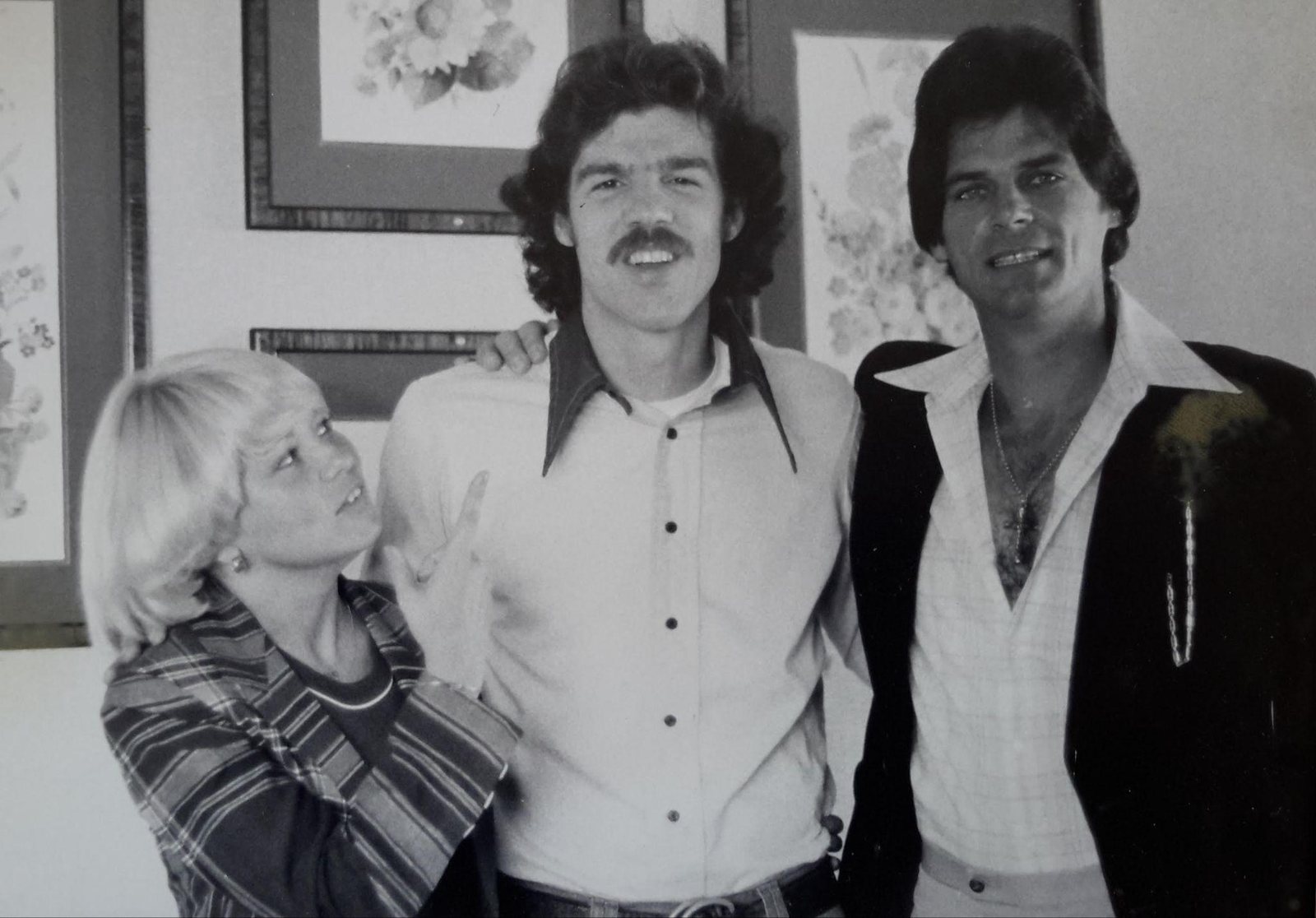
At the same time, Christian music concerts became one of KLYT’s most effective tools for reaching young people. The turnout for the station-sponsored B.J. Thomas concert at the Kiva Auditorium in August 1978 was an early sign that the city’s audience for Christian music was larger than anyone had assumed.40 But the concert lost money. A group of Christian businessmen involved with KLYT had organized it, and they decided they were done with concert promotion. They had a concert contract for the 2nd Chapter of Acts in November and wanted out of it.41
Brad and Judy Key, a young couple who had met Rudy Grande at UNM, heard about the situation and volunteered to take it on. Brad was nineteen. Judy was twenty. “We knew nothing,” Brad later recalled, “but we thought we could do it.”42 They formed Mountaintop Promotions as a nonprofit in the fall of 1978, promoted the Second Chapter of Acts show, and broke even. The partnership between KLYT and Mountaintop Promotions would soon become one of the most productive concert ministries in Christian music.
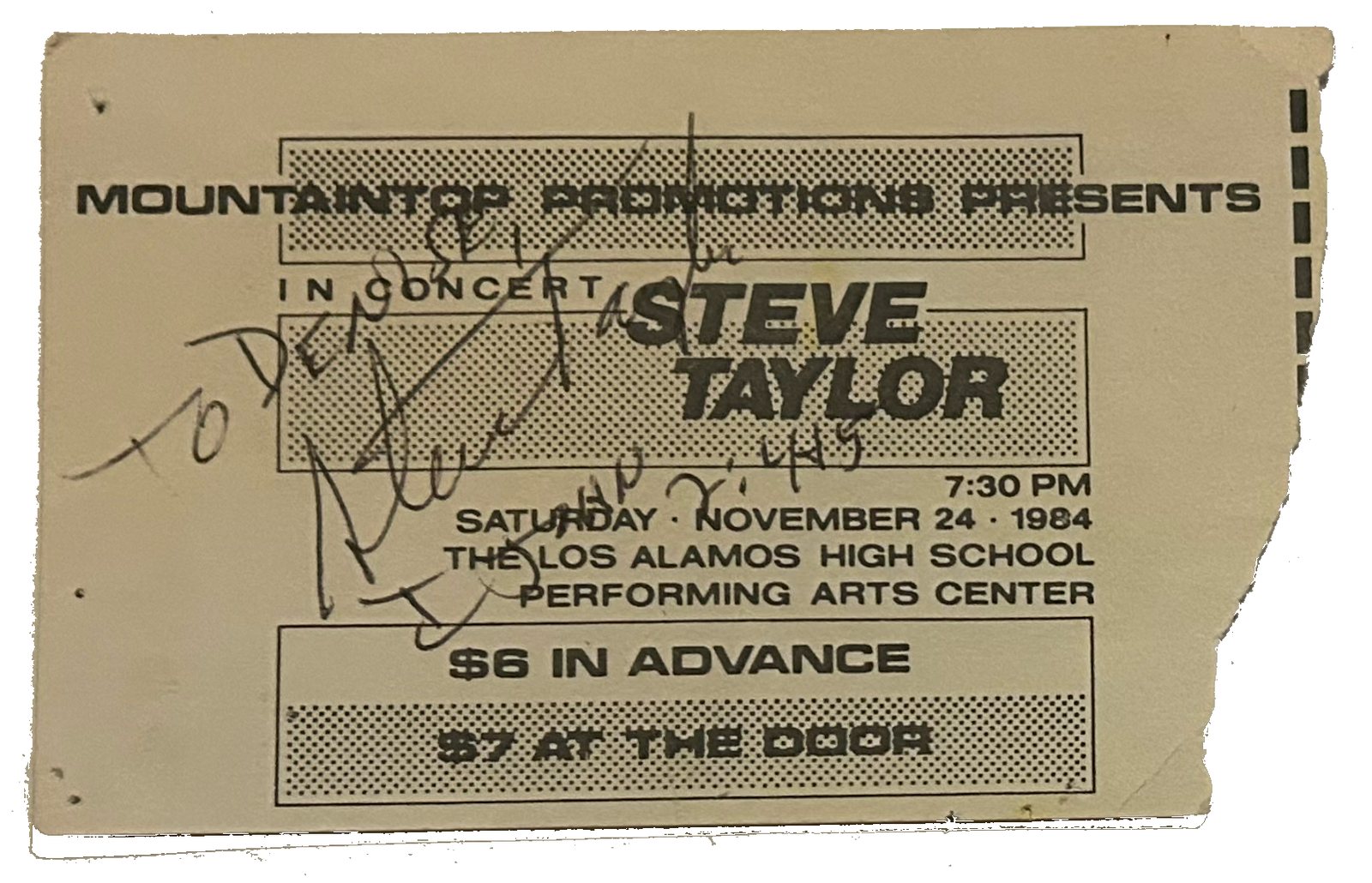
Over the next eight years, Mountaintop brought 82 concerts to Albuquerque and sold over 86,000 tickets, averaging about ten shows a year.43 The station often partnered with the youth office of the Archdiocese of Santa Fe for the shows. Grande booked the artists, worked with their agents, and signed the contracts.44 Judy organized the volunteer teams and managed ticket sales. Brad designed and distributed posters to every high school and the UNM campus. Tickets were sold at Christian bookstores around town that they called “the power outlets”: Living Word, King’s Way, Christian Supply Corner, and Bibles Plus, among others.45 Most shows drew around a thousand people to venues including the Kiva Auditorium, Christian Center, Hoffmantown Baptist Church, the UNM SUB Ballroom, and even the Cinema East Theater at Eubank and Candelaria, where lines stretched out the door and around the building.46
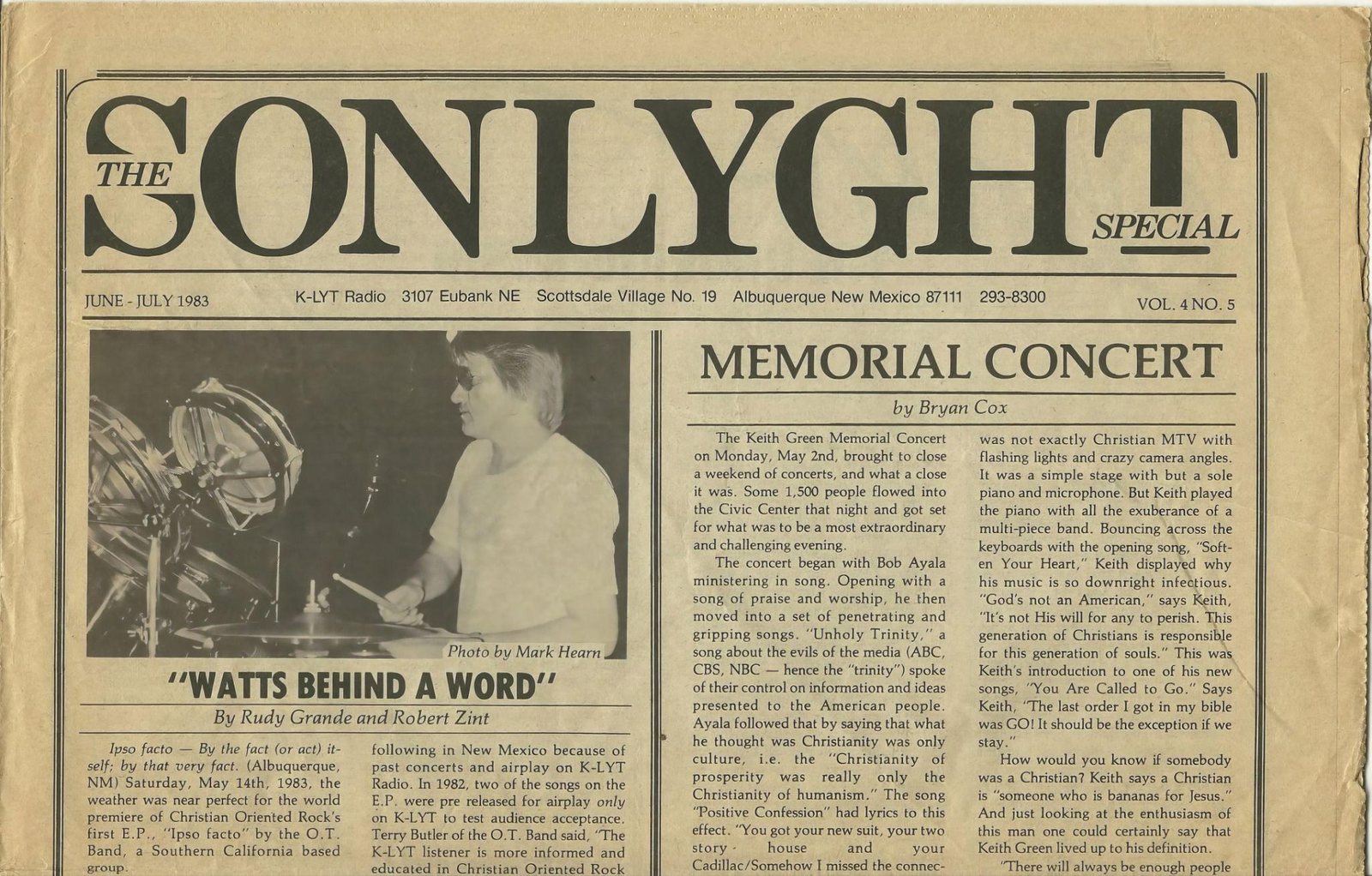
The concerts and the station fed each other. An artist who played a KLYT show would get heavy airplay in the weeks surrounding the event. Listeners who discovered a band on the radio would show up at the concert. Kids who came for the concert would find the station on the dial the next morning. After shows, Brad and Judy would take the artists out to Goodies or Carrows restaurants and talk into the morning light about Christian music and what God was doing across the country.47 Albuquerque sat strategically on Interstate 40 between the two music capitals of Los Angeles and Nashville, and Mountaintop made sure there was a stage waiting.48 The artists told the Keys how much they loved coming to the city. “I could call up any one of these artists right now,” Grande said years later, “and say, by the way, Eddie, can you tell me how important was Albuquerque on your concert tours? He’d say it was the best city to go to in any of them in the country. And why is that? Because we had a station that was totally alive, totally working in the direction they were wanting to go.”49
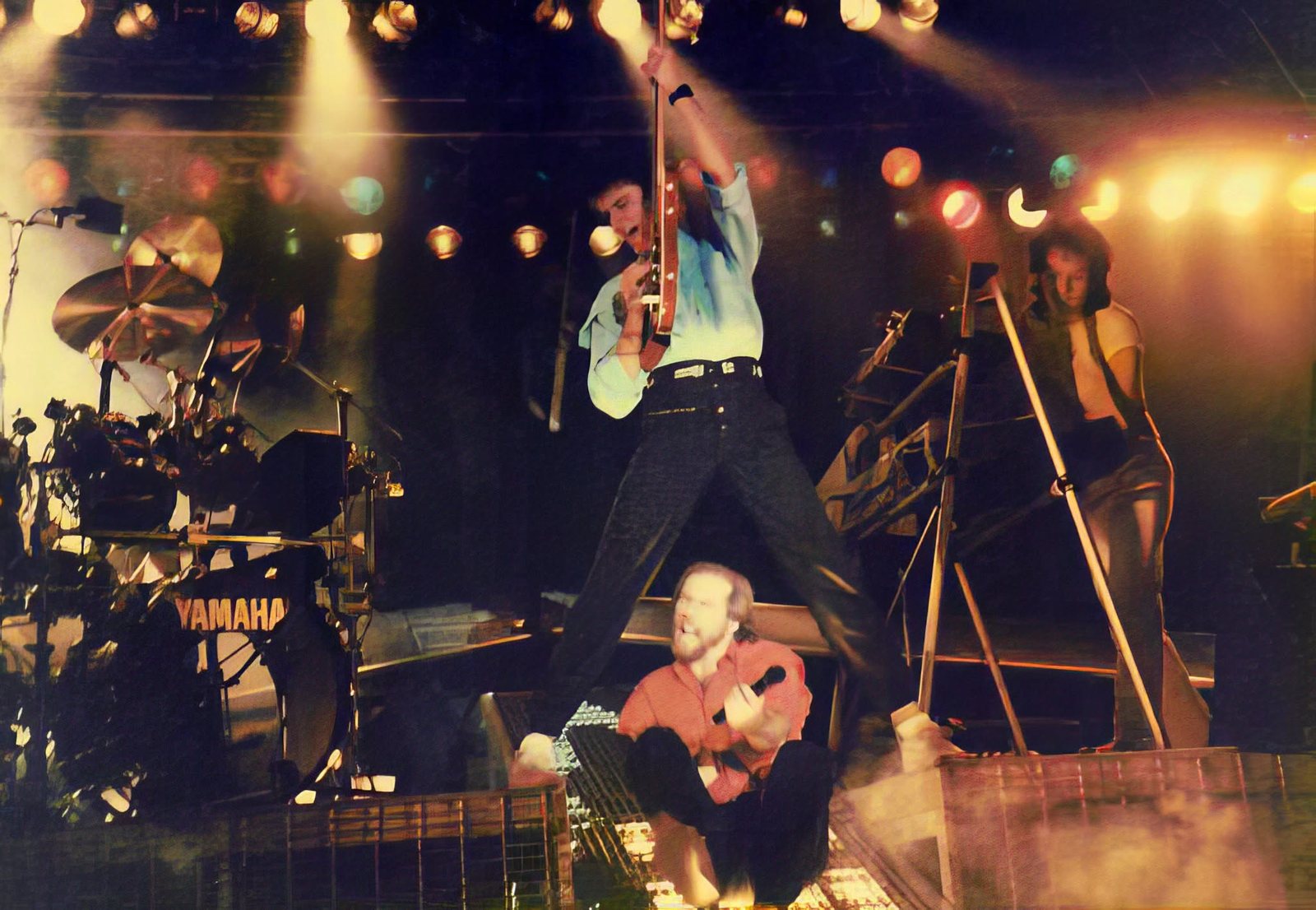
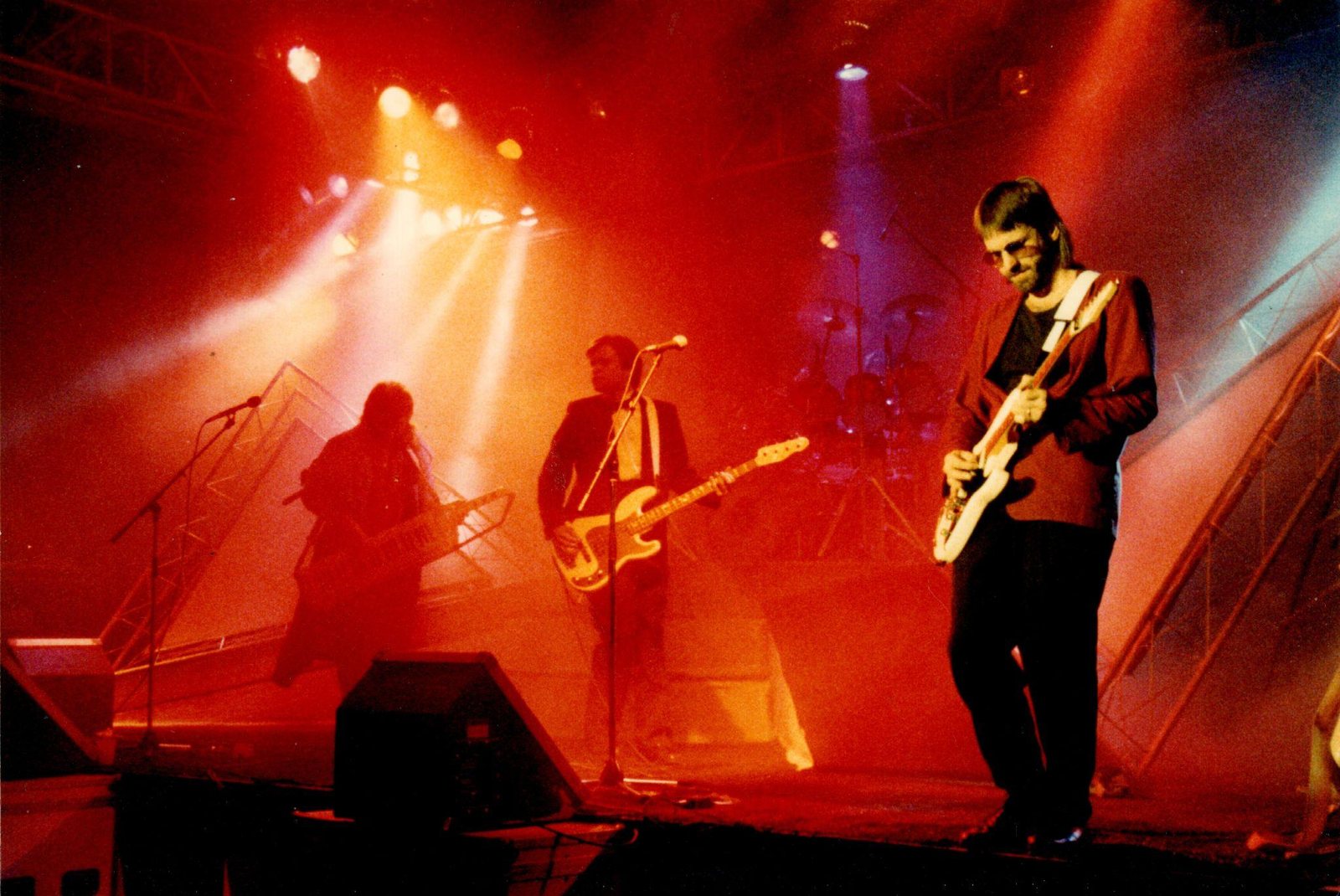
2nd Chapter of Acts came every year for all eight years. DeGarmo and Key, Resurrection Band, Phil Keaggy, Randy Stonehill, Sheila Walsh, Mylon LeFevre and Broken Heart, and Leslie Phillips all returned multiple times.50 Amy Grant drew roughly 4,000 to Tingley Coliseum, the largest crowd of the run. Judy, who was responsible for all the ticket money, spent the evening of Grant’s concert terrified. Grant’s accounting team had told her that if the numbers on sold and unsold tickets didn’t match, she would be personally liable. Grant found Judy backstage before going on, saw how worried she was, and quietly told her it would be fine. It was.51
Keith Green’s appearances left a particular mark. Green’s uncompromising message and raw intensity embodied what KLYT believed it was there to do: reach young people in a language they understood and point them toward a relationship with Christ. In the early days, Mountaintop concerts were free, funded by a love offering passed in buckets during the show. It worked until the night Keith Green, after performing at the convention center, prayed and said he felt a moving of the Spirit. He asked the entire crowd to leave immediately and focus on God. Lives were touched that night, but Mountaintop was left with thousands of dollars in expenses and no way to pay them. That was the end of the love offering model.52 Tickets started at a dollar and never went higher than five, except for Amy Grant at fifteen.53 Green’s death in a plane crash on July 28, 1982, at age twenty-eight, hit the KLYT family hard. The station put together an on-air tribute that day.
Mountaintop Promotions broke even every year and never sought to make money. Any surplus went back to KLYT. “The promotion for the concerts would have never worked if it wasn’t for KLYT,” Brad said.54 But the deeper legacy was relational. The volunteer teams, the late-night conversations, the shared purpose across churches and denominations created friendships that have lasted decades. “KLYT and Mountaintop were the foundation of our long-lasting friendships,” Judy said.55
Not every concert went smoothly. An outdoor DeGarmo and Key show was hit by a hurricane-force windstorm, and Daniel Amos once performed overlooking the malfunctioning Beach Waterpark pool that had turned pea-green.56
Beyond the Music
KLYT was never just a music station. The station produced a number of locally created short teaching programs that aired daily. Joyce Emert, a Catholic professor of English and religious studies at the University of New Mexico, wrote and produced “The Glory of Man.”57 Joyce had counseled women inmates at the State Prison in Santa Fe, and she brought a deeply spiritual and intellectual sensibility to the show and the station’s programming.
Other locally produced shows included “Light and Liberty,” a prison ministry program, and “In Plain View,” a public affairs program from a Christian perspective written and hosted by Sue Snyder.58 From Sacramento came “Rock and Religion,” hosted by Mary Neely, with a young Mike Roe, later of the 77s, serving as a producer. Rudy Grande, Mark Hoeberling, Mark Steel, and Steve Shelly produced additional shows about music and Christian creativity.59
Mark Hoeberling was a promising gymnast at Eldorado High School who was paralyzed from the neck down in a trampoline accident in October 1976, weeks after KLYT signed on.60 One of his hospital visitors was Rudy Grande, then working in Albuquerque commercial media. Grande and Emert encouraged Hoeberling to try radio. He completed the CBA broadcasting course and began appearing on KLYT on Sundays, critiquing record albums.61 He needed someone in the booth to punch the buttons and turn the dials, but at the microphone he was on his own.
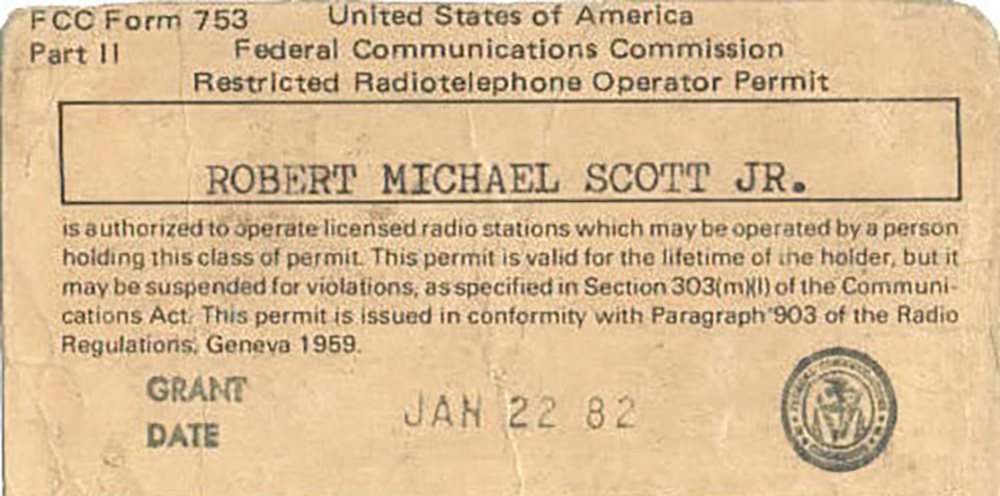
The Christian Broadcasting Academy itself remained central to KLYT’s operating model. Instructors included Frank Haley, a KOB newsman, and Jerry Dixon, a communications graduate of Oral Roberts University.62 Throughout KLYT’s history, CBA students provided the bulk of the station’s disc jockeys in exchange for on-air experience and the chance to earn their Third Class Radio Operator’s Permit.63 Many went on to careers in commercial broadcasting and across the spectrum of other media. Others found that the discipline, the community, and the experience of serving shaped their lives and inspired them to ministry and evangelism.
A good example is Steve Reimann, who would go on to become the longest-tenured staffer in KLYT’s history and eventually station manager. Reimann had trained as a roller rink DJ in California, where he learned music clocks, rotation, and dayparting. After moving to Albuquerque, he met Rudy Grande at a KLYT Skate Night, and soon joined KLYT’s volunteer staff, walking from his parents’ house near Menaul and Montgomery to the station at Eubank and Candelaria to show up for his shifts. Within a couple of years, he was a member of KLYT’s paid staff. After a few years working at radio stations in Chicago and around Illinois and Indiana, he returned to Christian radio in Albuquerque in the 1990s. Reimann later became KLYT’s General Manager during the Calvary Chapel era.64
In 1980, KLYT received the Gospel Music Association’s Station of the Year award, recognizing the station as best exemplifying “the highest spiritual, ethical and professional standards.”65 For a station that had been on the air for only four years, running on volunteer labor and flea-market transmitter parts, the award appeared to the station management as confirmation that what they were building was in line with the vision God wanted them to pursue.
In October 1982, the station launched the “Christian Oriented Rock” format, known as C.O.R., which gave KLYT a distinct identity in the growing landscape of Christian radio. In 1984, CBA celebrated its tenth anniversary with a luncheon hosted by KOB-TV anchorman Dick Knipfing. Christian new wave artist Sheila Walsh joined Knipfing as the featured guest.66 At the time, KLYT had four employees and nearly fifty volunteers, and many business and individual contributors.67
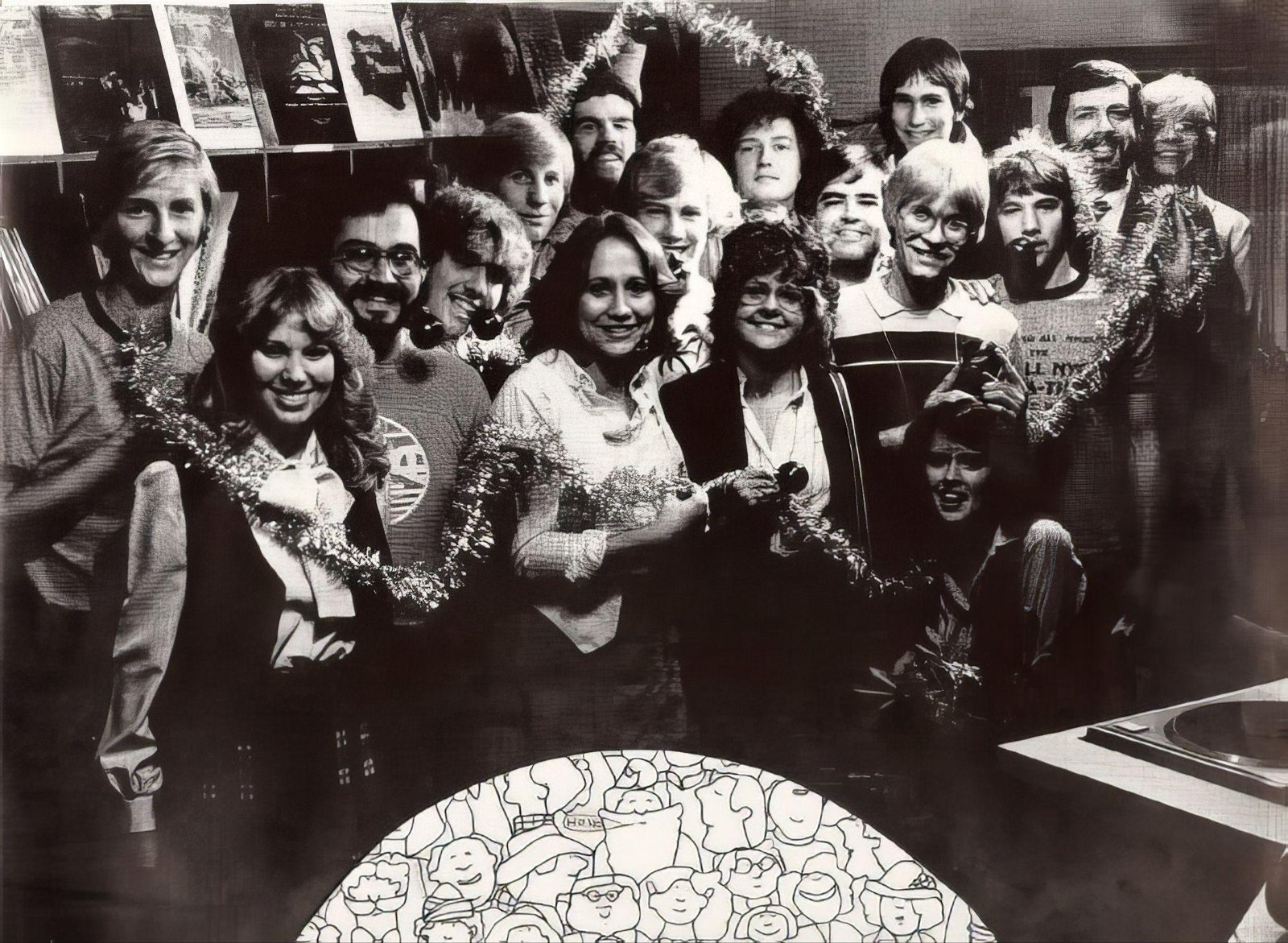
By 1984, a group in San Antonio, Texas trying to launch its own Christian radio station identified KLYT as one of only three publicly-owned Christian music stations in the entire country. Richard Stratt of the Stronghold Foundation told the San Antonio Light that those stations had been guiding his group as they worked to raise nearly half a million dollars for a contemporary FM station. The distinction mattered to them. Commercial Christian stations had to compete with secular outlets for advertising dollars. A publicly-owned station answered to its listeners. “If it is owned by the general public,” Stratt said, “they will get what they want.”68
A Time of Uncertainty
By the mid-1980s, the station began to experience turbulence. The Emerts divorced. The financial support base severely diminished between 1985 and 1986, bringing on the danger of bankruptcy. With the departure of core members of the staff, the station’s board was left to make a critical decision about the future of KLYT and CBA. Noel Behne, president of the First National Bank of Albuquerque and a longtime CBA board member, helped hold the institution together during the transition.69 The board chose to attempt a revival of the station by first reinforcing what the station was best known for: youth-oriented Christian music programming.
The Rich Administration
In 1986, the CBA board faced three options for the station’s future. Board member Tom Woods laid them out over lunch with Randy Rich. The first option was to shut the station down because there was no money to continue operating. The second option was to give it to a station operator in Nevada. The third option was to let Rich take it on to continue it as a locally owned ministry to New Mexico’s youth.70
At the time he took on the mantle of General Manager, Rich had already spent many years in Albuquerque’s Christian radio scene. But his most well-known background was in professional football. After setting several records as a defensive back at the University of New Mexico between 1972 and 1975, he signed as a free agent with the Denver Broncos. What followed was a five-year NFL career that took him through the Detroit Lions, back to Denver in time for the playoffs and Super Bowl XII against Dallas in January 1978.71 At five-foot-nine and 175 pounds, Rich later said he had no business playing professional football. “There’s only one reason I played football,” he reflected. “That was the platform that the Lord was using for me.”72
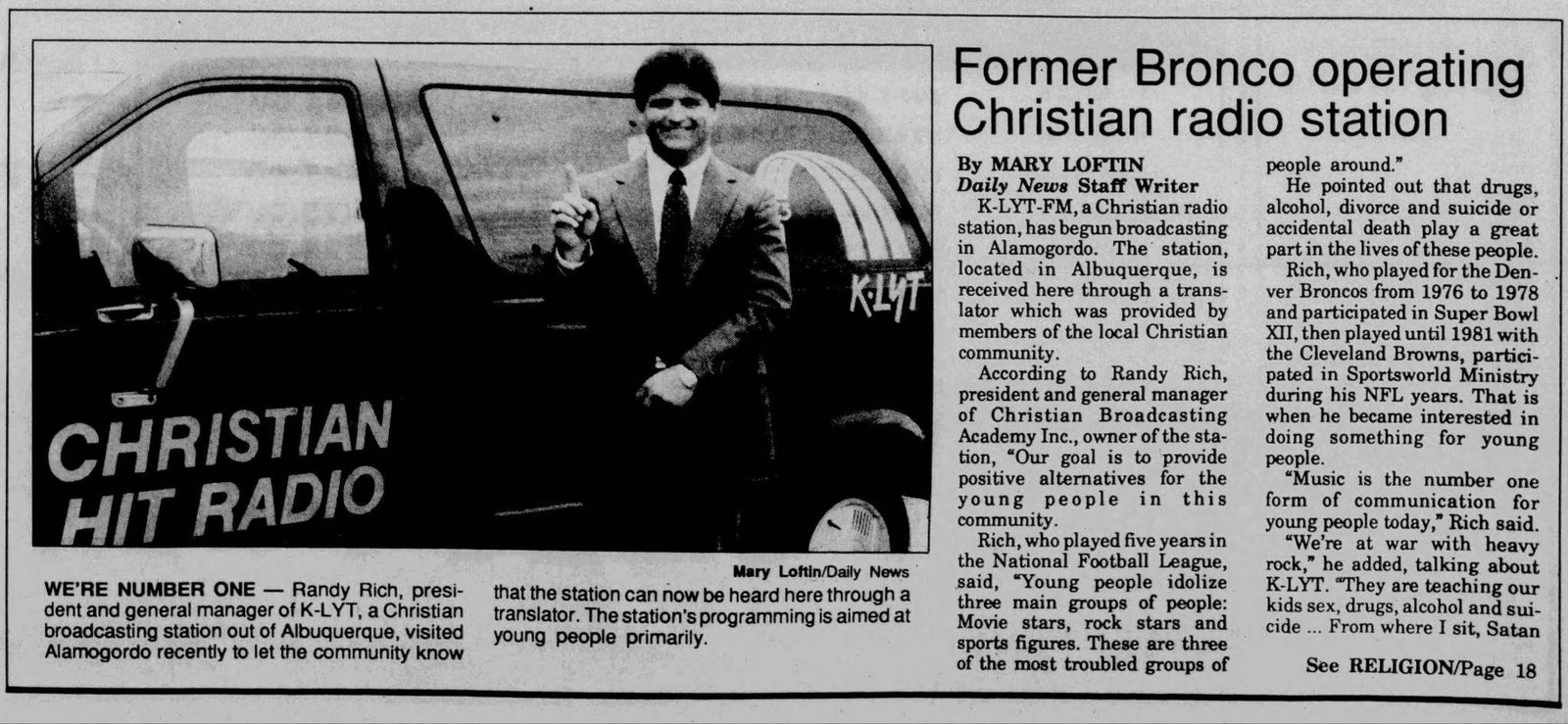
Rich was introduced to Christian music in 1972 as a freshman at UNM, through a fellow football player who was part of a Bible study with Keith Green in Southern California.73 During his NFL years, he participated in Sportsworld Ministry, which sparked his interest in youth work. He first came to KLYT in 1981 as a development coordinator and fundraiser, worked there for about three years, then left to manage KKIM-AM, another Christian station in Albuquerque.74 He knew KLYT’s people, vision, and even its looming problems from the inside.
Assuming management of the station meant taking on personal financial responsibility for $48,000 in debt that the bank wanted repaid. At the time, the ministry was raising about $750 a month.75 Donor Bob Davis provided three months of operating capital at roughly $9,000 a month. Rich and his team paid off the debt in about a year and a half and set about rebuilding one of the premiere youth ministries in the nation.76 “I always used to tell people it was like holding on to the coattails of the Holy Spirit,” Rich said. “It was a ride and it was fun.”77
To help facilitate the recovery, Rich brought on Mark Gilman, a talk show and sports host from KNST in Tucson, to head up programming and host the morning show.78 Gilman also helped develop what would become one of KLYT’s signature outreach programs: High on Sports. The concept was straightforward. The show covered football and basketball but also baseball and girls’ sports, broadcasting state playoff games at least three nights a week.79 High school sports programming put KLYT on campus every week, giving the station direct access to the young people it existed to serve. It became Albuquerque’s best-known high school sports show and a reliable source of grant revenue for the station.
Rich also tightened the playlist. The new format was christened CHR, Christian Hit Radio, as a counterpart to the secular Contemporary Hit Music and Top 40 stations along the dial. The station would operate within the framework of the maturing Christian music promotion and distribution industry, playing what the labels were releasing rather than making its own judgment calls.
The opposition Rich faced from some quarters of the church echoed what Emert and Grande had weathered a decade earlier. “What were the most difficult things that we faced in those early days of contemporary Christian music?” Rich recalled. “It was the church. It was the strict, legalistic thinking person that said, there’s no way that that beat is worshiping the Lord. And the truth is, it’s not about the beat. It’s about the lyrics.”80 Rich called KLYT’s music “a 3.5 minute sermon to change people’s lives.”81
Rich brought aboard Peter Benson, a popular Albuquerque radio personality, as program director, and Heidi Chavez as sales director.82 Tom Terry, a Tucson import from KVOI, was brought in to handle operations and programming. As vinyl records gave way to compact discs, KLYT bolstered its stature in the Albuquerque community.
At the same time, some of the DJs lobbied for more of a presence among the popular subgenres within Christian music. The station’s management responded by introducing specialty shows that catered to specific audiences. A rap and hip hop show by Errol “Doc” Cox gave airtime to Christian urban and Gospel music. A Christian rock oldies program hosted by KLYT veterans Steve Poirier, Greg Wyss and Mark Steel was a hit show that looked back at the Jesus Music and early CCM eras. Also popular was Light as a Rock, launched by Pete McConnell in the summer of 1988 as an outlet for Christian heavy metal, thrash, and alternative music. Later renamed G-Rock, it gave a radio outlet to Christian bands pushing the musical envelope.
Expanding the Ministry
“I saw the station as a vehicle for outreach,” Rich later wrote, “and in order to do that we had to Go! Go where the need was. I wanted us so engulfed in our community in such a way that if we were gone, we would be missed. Not because of any one person but rather impact on the hearts of those God touched through His leading.”83

Under Rich’s leadership, CBA expanded well beyond radio. In 1991, the academy launched Cutting Edge, a monthly current issues magazine edited by Tom Terry. The magazine addressed topics from local legislation on adult bookstores, to the problem of street gangs, to the 1991 Gulf War. It was distributed free at supermarkets and convenience stores, with a print run of 20,000 copies a month.84 Terry edited the magazine for four years. “We dealt with some serious issues, trying to bring a Christian perspective to them,” he recalled. The issue on gun policy ran out within a week, and a representative from the Albuquerque office of the U.S. Marshals came to the station to thank them for publishing it.85
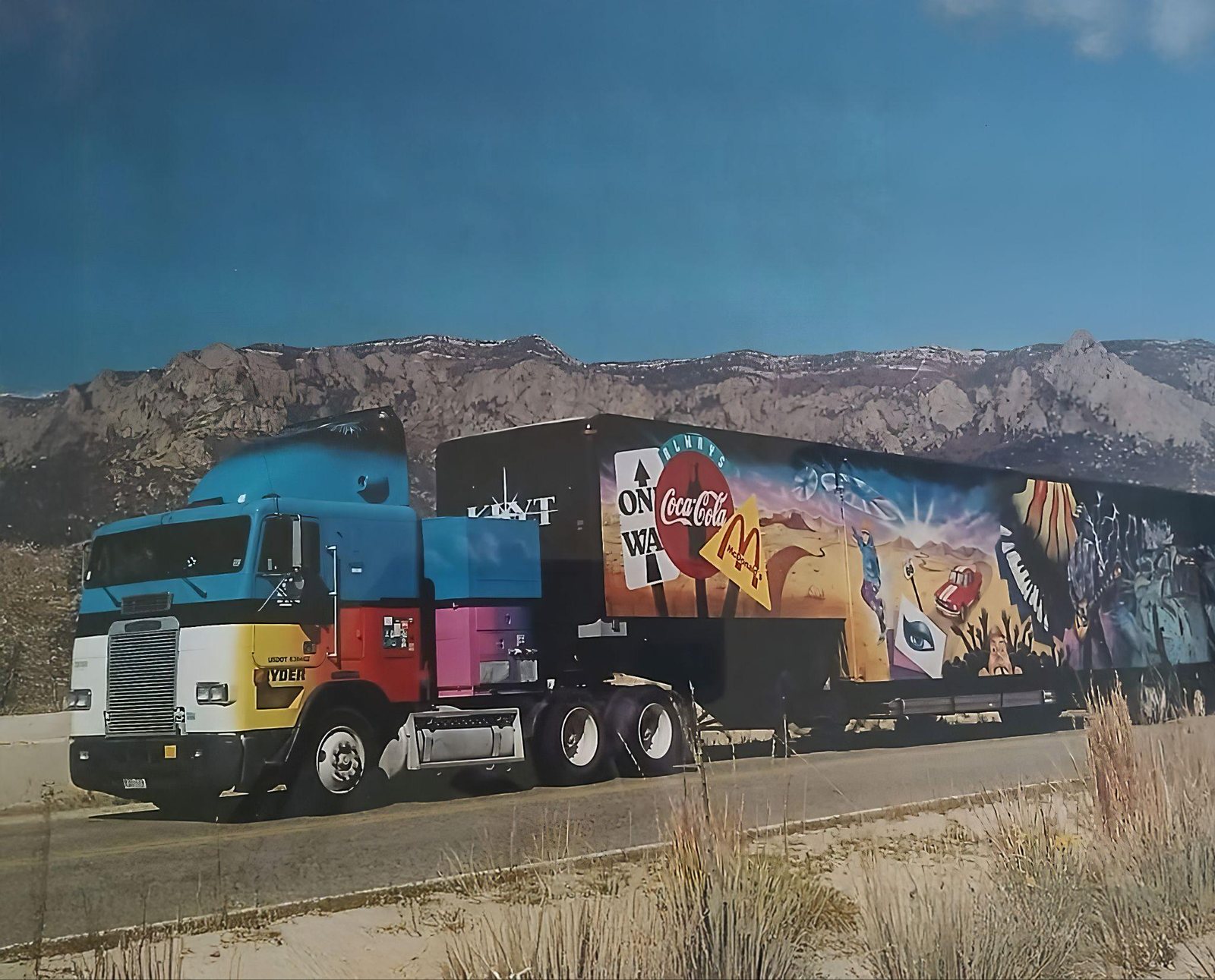
CBA also purchased Swing Shift, a full-size mobile concert stage that unfolded from a semi-tractor trailer bed. The rig allowed Christian music concerts and other events to be held anywhere in the state. In 1998, CBA received a $25,000 grant for Swing Shift and for Change Your World, a school assembly program.86 Another ongoing program, Say Yes to Life, brought presentations on topics including sexual abstinence, divorce, and accountability to young people several times a month.87
CBA also sent tapes of Christian commentary and music overseas each month through its Middle East Project. In 1992, a radio ministry associated with Campus Crusade for Christ contacted CBA about programming Christian music for the Middle East. After an initial trip to Egypt by Rich and members of the board, operations manager Tom Terry and music director Walter Ratliff traveled to the region to conduct focus groups with area church leaders.
The station’s presence in New Mexico continued to grow. KLYT’s signal was retransmitted to population centers across New Mexico through a network of translators. As early as 1989, the station had begun broadcasting in Alamogordo through a translator provided by members of the local Christian community.88
The reach of those translators could be measured in both geography and in the unexpected partnerships they enabled. In Las Vegas, New Mexico, Father Tobin Hitt was using KLYT as part of his youth outreach at Immaculate Conception Church, including planning a teen dance around the station’s music. “Faith does not just reach up and grab you,” Hitt told a reporter. “Not usually. It slowly becomes apparent.”89 KLYT was part of his program to continually expose his parish’s youth to something that was edifying and would draw them closer to God.
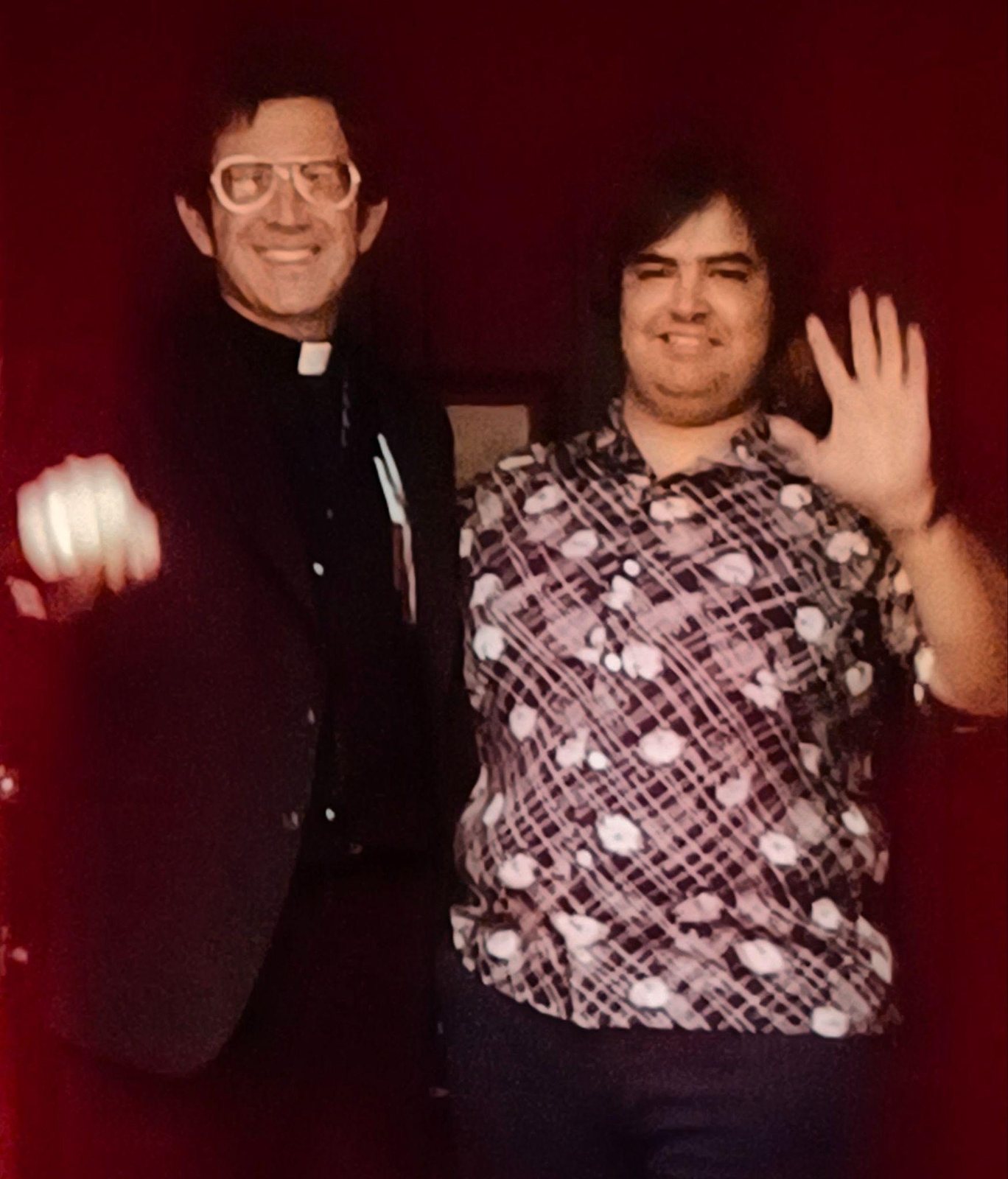
During this period, KLYT’s translator outreach soon reached much of the state, including Santa Fe, Española, Roswell, Artesia, Alamogordo, Las Cruces, Truth or Consequences, and Ruidoso.90 At its peak, KLYT operated approximately 18 translators throughout New Mexico and into southern Colorado.91 It had grown from a neighborhood radio station to a statewide ministry.
The station was a fixture among the youth in Hobbs, NM. Jobe Seeberger, bassist for the Hobbs-based Christian punk/ska band Ten Betty Zain, described what made KLYT different from anything else on the dial. “In Hobbs, we have no real music station if you’re into rock and roll or anything like that,” he said. “KLYT, it’s real eclectic. It will play anything. On Friday night, it’s rap Christian. Saturday night, alternative and heavy metal. They play everything. It appeals to anybody that listens to it.”92
The Numbers
The scale of growth under Rich’s leadership was substantial. When he took over in the late 1980s, the station was on the verge of closure. By 1995, the monthly budget had grown to roughly $28,000, funded by listener contributions and business underwriting.93 The station employed eleven full- and part-time workers and relied on approximately thirty volunteers. By the time Rich departed after nineteen years, the ministry was operating at approximately $80,000 a month, with revenue exceeding the budget.94
Throughout his tenure, Rich made a point of visiting annually with KLYT’s founders to report on what the ministry was accomplishing. “It’s so important to have that history of what’s taking place,” he said, “and that God has sustained the ministry for so many years. And it’s not just for fun. He sustained it for a reason.”95 Ray Franks, Jr., KLYT’s founder who had resigned years earlier when the station moved away from his original vision, had carried some hurt for a long time. It took Franks nearly a decade to build his next broadcasting venture, the television channel KAZQ (Channel 32). The stations broadcast ministry programs alongside syndicated shows like Bonanza and Ozzie and Harriet.96
During his tenure at CBA/KLYT, Rich kept reaching out, insisting that Ray and Ida deserved credit for planting what had grown into an effective ministry that had a lasting impact on the spiritual lives of so many. Eventually, Franks released the bitterness. It was a reconciliation earned over years of biblically-focused engagement.97
The Calvary Chapel Era (2001–Present)
In 1999, KLYT and the Christian Broadcasting Academy were again thrown into a transition period. Unlike the previous major transition, CBA was in good financial shape at the time, and the community’s support of the station was as strong as ever. One month after Rich’s resignation, the station’s annual on-air fundraising campaign exceeded its goals, and CBA had a healthy savings and projected budget for the following year. KLYT retained strong support across New Mexico’s Christian community.
Paul Saber, chairman of the CBA board and a member of Calvary Chapel of Albuquerque’s board, spearheaded an effort to have KLYT and its assets transferred to the church. On January 12, 2000, an FCC Form 314 application was filed seeking authority to assign the license of KLYT-FM from Christian Broadcasting Academy, Inc. to Connection Communications Association, Inc., a nonprofit organization affiliated with Calvary Chapel.98
For twenty-five years, KLYT had operated as an interdenominational station supported by churches and individuals from across the spectrum of New Mexico’s Christian community. Assemblies of God founders, a Lutheran bank president on the board, Baptist and Calvary Chapel DJs in the booth, a Catholic professor producing teaching programs. That breadth had grown organically as people from different traditions recognized something in what the station was doing and wanted to be part of it. The FCC approved the transfer, and Calvary Albuquerque took over KLYT and its network of translators on January 1, 2001. The Christian Broadcasting Academy was dissolved.99 The new management worked to keep KLYT a community resource, rather than just an arm of the church.
Chip Lusko, Calvary’s associate pastor and director of Connection Communications, took on management of the station. Lusko brought forty-three years of Christian radio experience to the role, having started in rock radio in the 1970s before his conversion.100 He understood what Calvary was bringing into its fold. “When we inherited KLYT, I understood the magnitude of it,” he said. “I was a fan when I first came to Albuquerque in the early 90s.” He described the station inherited from Rich, Benson, and the CBA team as “a legacy brand” and called what they had accomplished at Scottsdale Village “monumental.”101
The concern about KLYT’s community character under single-church ownership was something Lusko addressed directly. When asked whether the station was now a Calvary Chapel operation, his answer was unequivocal. “No, this is a community thing,” he said. “I’m committed, and I have great friends all over the Christian community here, and it’s not a Calvary thing. I don’t want it to be a Calvary thing. We seldom talk like that.”102 His approach to the station’s mission echoed what Rich had articulated years earlier. One of Lusko’s mentors, pastor Mike McIntosh, had once challenged him with a question: “What would change if your station went off the air tomorrow? Who would care? What difference would it make to your community?”103 It was the same instinct Rich had expressed in his own words: a station so engulfed in its community that if it were gone, it would be missed.
KLYT’s facilities were combined with those of Calvary’s existing commercial station, KNKT (107.1 FM). The staff was reduced over time, and automation increasingly replaced live announcers in most dayparts. Peter Benson, who had served as KLYT’s program director under Rich, stayed on as a talk show host on KNKT and helped program the new KLYT, which was rebranded as M88. By 2005, longtime KLYT staffer Steve Reimann had rejoined the station, and Joey Belville of The Echoing Green joined as music and special events director. Jenna James, KLYT’s program director until 2005, was one of the M88 voices listeners woke up to; she co-hosted the morning show, first with Belville and later with Reimann. Belville later co-hosted “The 3 Amigos Morning Show” with veteran broadcasters Matt Gentry and Steve Jeter.104
The roller-rink DJ who had met Rudy Grande at a KLYT Skate Night now ran the station’s programming. Interviewed by HisAir.net while serving as M88’s program director and operations manager, Reimann said the best summary of the job hung on a plaque in the control room: “It’s not about you. It’s not about us. It’s about Him and it’s about them.”Read the full interview at HisAir.net
Lusko created the M88 format with the feeling that the newest version of the station was obliged to honor KLYT’s legacy as a community station devoted to youth. “We were playing all of the hard rock stuff,” he recalled, calling M88 “probably the best Christian rock station ever.” Lusko managed the station from the 2001 transfer until his death on April 2, 2024, a tenure of twenty-three years.105
Under Calvary’s ownership, KLYT went through several format changes reflecting the evolving landscape of Christian media. On June 27, 2011, the station shifted to a Christian rock format and rebranded as “Static Radio,” targeting listeners from middle school through college with a mix of Christian rock, pop, hip hop, and select secular alternative rock songs labeled as “culture shock.”
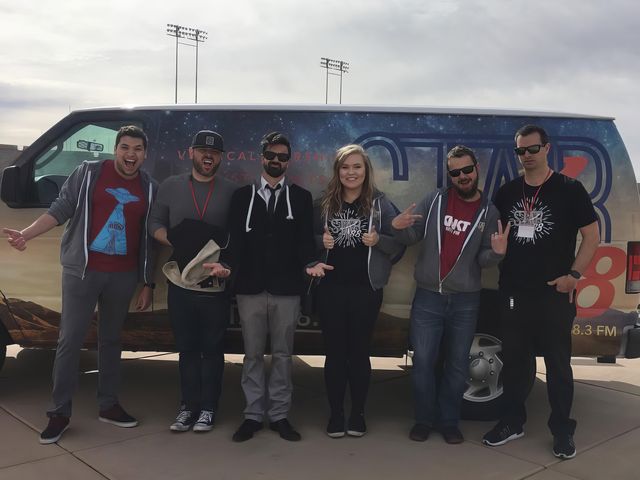
On April 5, 2015, KLYT rebranded again as “Star 88,” promoting itself as “Vertical Worship, Christian Hits, Fresh Indie” and featuring contemporary Christian music alongside teaching programs shared with sister station KNKT.106
The station’s format kept KLYT’s commitment to youth-oriented Christian rock alive, and the station continued to develop programming that connected with young listeners. Joey Belville of the Albuquerque-based electronic band The Echoing Green joined as music and special events director, bringing a sharp ear for emerging artists. Matt Gentry, a veteran of the Rich era, teamed with Steve Jeter and Belville to co-host the 3 Amigos Morning Show, which carried forward the relational, humor-driven style that had been part of KLYT’s appeal. Later, the Morning Invasion with Stevo and Dex continued the tradition of bright, personality-driven programming that appealed to New Mexico’s youth. Through every format change, the people at the microphone kept doing what KLYT’s staff and volunteers had always done: showed up, served the listener-focused ministry, and made sure what was done in the studio mattered to the person on the other side of the signal.
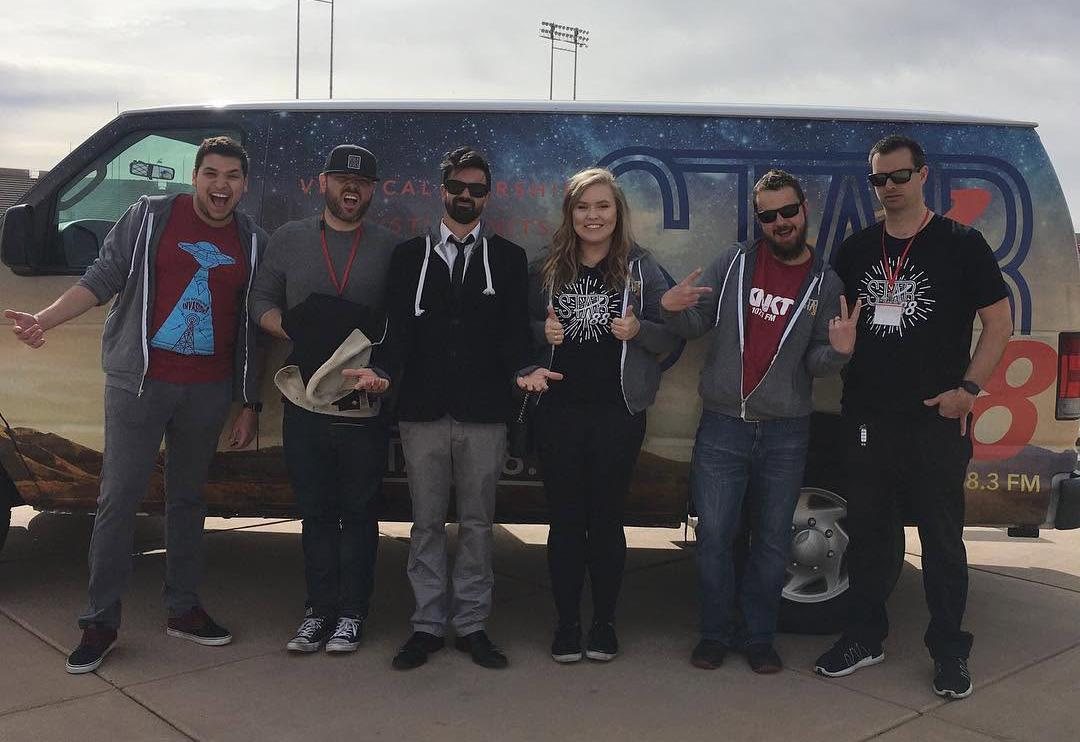
By the second decade of the new millennium, music listening habits among the youth had changed. Radio gave way to streaming services and formatted programming gave way to individual song picks. On March 25, 2021, Calvary sold KNKT (107.1) to Bible Broadcasting Network. KLYT switched to a Christian talk and teaching format as “The Light” in 2021.107 The contemporary Christian music programming that had defined the station for forty-five years moved online. KLYT’s ministry continues with talk and teaching programs, including ABQ Connect, focusing on local issues and events.
A Lasting Legacy
When KLYT played its last song on May 31, 2021, it brought to a close a forty-five-year run that had outlasted every one of its pioneering peers. KBHL in Lincoln, Nebraska, the first Jesus Music station, lasted about eight years. KYMS in Santa Ana, the first major-market CCM station, lasted twenty. KOKF in Edmond, Oklahoma made it twenty-eight years. KLTY in Dallas ran for roughly twenty-five continuous years under its final ownership before being sold to K-Love. KLYT’s tenure as a music station was at least double each of them.108
But the numbers tell only part of the story. What KLYT built was not just a radio station. Young people serving the ministry learned discipline, showed up for shifts, and figured out how to perform well. The ministry brought dozens of concerts to Albuquerque. It also ran a school assembly program, a mobile concert stage, a monthly magazine, and a high school sports broadcast. Unchurched kids could discover that the music they loved could carry the faith they were looking for. It was a place where a nineteen-year-old could drive to the studio door the morning after a Black Sabbath concert, frightened and searching, and find someone willing to pray with him.
“Relationships are what KLYT was about those days,” Grande said.109 The reunion dinners, the annual visits with the founding generation, the friendships between staff and volunteers that lasted decades after they left the station were evidence of something the participants understood from experience: the work mattered more than any one individual’s role in it.
KLYT’s history includes real pain, and the people involved have never pretended otherwise. It existedin the midst of fallen human experience. Ray Franks, Jr. resigned when the station moved away from his vision. The opposition from local churches lasted years. Marriages dissolved. Disagreements strained relationships. Some of these moments even tested whether the ministry could survive. They did, largely because the people involved chose to stay connected. And because the work kept bearing fruit. “When I’m depressed and stuff, the music really lifts me up,” said listener Pat Daniels, “and I like rock music.”110
“Music penetrates people far in the darkest places of our communities and society, in the loneliest places many times,” Rich reflected. “A certain song being played, being heard at the right time, at the right moment, that flips a switch for somebody, takes them out of a place of desperation to a place of hope. And that all happens through the power of the Holy Spirit.”111
No matter the era, the people who made KLYT what it was are family. They had the privilege of being involved in a special work of God that made a true, positive difference in the lives of people all around New Mexico and beyond. No family relationships are always smooth sailing, but those who were faithful to their Christian values and kept sight of the fact that the work was never about them found a way to maintain those bonds. What was done in those studios and on those airwaves was for the people on the other side of the radio transmission. Every volunteer who showed up for a midnight shift, every CBA student who learned to cue a record, every artist who drove through Albuquerque on I-40 and found a stage and an audience waiting, were carrying a song that started before any of them arrived and continued after each of them moved on. The song was never theirs. It was given to them to steward, and to pass it on.
Paul’s words in 1 Corinthians 3 about planting and watering have served as a quiet framework in this history. But Paul didn’t stay with the garden metaphor. In the same chapter, he shifts to that of successive workers constructing a building: “By the grace God has given me, I have laid the foundation, as a wise masterbuilder and another is building on it.” (1 Cor. 3:10). Noel Paul Stookey (Peter, Paul and Mary) captured something of this idea in the lyrics of "Building Block," a song that was popular in KLYT’s early days (referencing Psalm 118:22, a verse echoed throughout the New Testament):
Song lyric quotation goes here.
The dreams were different in every era. Franks dreamed of preaching and hymns. Emert dreamed of Christian rock that could stand next to anything on secular radio. Rich dreamed of a ministry so woven into the community that its absence would be felt. They did not always see what the others saw. But fifty years later, those dreams have been connected into a single story, and the vision has returned to where it always belonged: the ones listening on the other side who need Jesus. The truth the KLYT family has learned is that God’s providence was moving through every era, every transition, every argument about what to play and how to play it, shaping a ministry to meet the changing spiritual needs of New Mexico’s young people in ways no single dreamer could have designed.
The turntable has long been replaced by a hard drive, and the hard drive by a stream. But somewhere in every person who heard a song come through at 88.3 FM, the needle is still finding the groove, and crackling to life. The lyric about God’s grace is still doing what it did the first time they heard it, turning a lonely drive home into a conversation with God, giving a fifteen-year-old the words for something she couldn’t say out loud, telling a kid in a far-flung corner of the state that he wasn’t the only one who felt that way. That is what faithfulness sounds like on the radio.

Notes
Albuquerque Journal, Oct. 23, 1985, p. 47, “Services Held for Ida Franks, Co-Founder of Evangel Temple.”↩︎
John Duffy, “Early K-LYT Years,” personal memoir, Aug. 14, 2026.↩︎
Paul Baker, Contemporary Christian Music: Where It Came From, What It Is, Where It’s Going (Crossway Books, 1985), Chapter 13.↩︎
Albuquerque Journal, Oct. 23, 1985, p. 47.↩︎
Ibid.↩︎
Raymond L. Franks Jr.," obituary, Albuquerque Journal, Jan. 30, 2014, p. 19.↩︎
Albuquerque Journal, Aug. 24, 1974, p. 6, “Radio School Will Open.”↩︎
Albuquerque Journal, Sept. 17, 1975, p. 36, Public Notice.↩︎
Duffy, “Early K-LYT Years.” Duffy identifies Lehrman (spelled “Learman” in Duffy’s account) as “a friend of Dave Briggs” who “moved to Albuquerque with his wife to serve as K-LYT’s first Program Director.”↩︎
Albuquerque Journal, May 28, 1976, p. 25, “New Station To Broadcast On FM in City.”↩︎
Albuquerque Journal, Oct. 23, 1985, p. 47, “Services Held for Ida Franks, Co-Founder of Evangel Temple.” The obituary states that Ida Franks and her husband “helped found Albuquerque radio station KLYT” in 1973.↩︎
Ibid.↩︎
Ibid.↩︎
Ibid. Duffy lists the first seven DJs as “Donna Reed (Neff), Mike Neff, Roger Parks, Mike Haverland, Jeff Simon, and Rod (?) and myself.”↩︎
Randy Rich, “A Little KLYT History,” undated oral history document.↩︎
Mark Steel, “K-LYT Timeline from 1976–1983,” primary timeline document. Steel dates Emert’s arrival to January 1978.↩︎
Albuquerque Tribune, Sept. 22, 1979, p. 29, “KLYT sheds new light on rock music,” by Dave Nordstrand.↩︎
Albuquerque Tribune, June 15, 1977, p. 6.↩︎
Albuquerque Tribune, Sept. 22, 1979, p. 29.↩︎
Steel, “K-LYT Timeline.” Duffy, “Early K-LYT Years,” provides the technical details of the antenna installations.↩︎
Duffy, “Early K-LYT Years.”↩︎
Ibid.↩︎
Ibid.↩︎
Albuquerque Tribune, Aug. 16, 1979, p. 17, “KLYT celebration planned.”↩︎
Duffy, “Early K-LYT Years.”↩︎
Ibid.↩︎
Albuquerque Tribune, May 5, 1982, p. 15, “Broadcasting, the career he never thought of before,” by Dave Nordstrand.↩︎
Albuquerque Tribune, Sept. 22, 1979, p. 29.↩︎
Ibid.↩︎
KLYT listener promotional recording, 1982.↩︎
Albuquerque Tribune, Oct. 8, 1985, pp. 9–10, “Alb’q’s KLYT has a mission” / “KLYT has a Christian mission,” by Russ Parsons.↩︎
Ibid.↩︎
Ibid.↩︎
Rudy Grande, interview on ABQ Connect with Jim Williams, KNKT-FM, Dec. 9, 2020.↩︎
Steve McKee, interview on ABQ Connect with Jim Williams, KNKT-FM, Dec. 12, 2020.↩︎
Brian Nixon, interview on ABQ Connect with Jim Williams, KNKT-FM, Star Week 2020. Nixon recalled that “our old hallway used to be lined with all these gold records from different people who have signed them, thanking the radio station for its support.”↩︎
KLYT listener promotional recording, 1982.↩︎
Albuquerque Tribune, Feb. 27, 1984, p. 9, “Satan rock: Devilish danger or frivolous fad?” by Leslie Linthicum. Morning host Mike Scott is identified in Grande’s retelling of the incident on ABQ Connect with Steve Reimann, KLYT, Oct. 4, 2022.↩︎
Albuquerque Tribune, Feb. 27, 1984, p. 9.↩︎
Albuquerque Tribune, Aug. 4, 1978, p. 12, “Concert set.”↩︎
Brad and Judy Key, interview on ABQ Connect with Jim Williams, KNKT-FM, Dec. 18, 2020.↩︎
Ibid.↩︎
Ibid.↩︎
Ibid. Grande’s role as concert booker is confirmed in both the Key interview and Grande’s own interview on ABQ Connect, Dec. 9, 2020.↩︎
Key interview, Dec. 18, 2020.↩︎
Ibid.↩︎
Ibid.↩︎
Rudy Grande, interview on ABQ Connect with Steve Reimann, KLYT, Oct. 4, 2022.↩︎
Ibid.↩︎
Key interview, Dec. 18, 2020.↩︎
Ibid.↩︎
Ibid. Grande provides a corroborating account of the Keith Green love offering incident on ABQ Connect, Oct. 4, 2022.↩︎
Key interview, Dec. 18, 2020.↩︎
Key interview, Dec. 18, 2020.↩︎
Ibid.↩︎
"Daniel Amos: TimeLine 1987," danielamos.com, accessed September 1, 2026, https://www.danielamos.com/timeline87.html.↩︎
Albuquerque Tribune, Jan. 23, 1995, p. 26, obituary for Joyce E. Rogers. Also Duffy, “Early K-LYT Years.”↩︎
Duffy, “Early K-LYT Years.”↩︎
Duffy, “Early K-LYT Years.”↩︎
Albuquerque Tribune, May 5, 1982, p. 15.↩︎
Ibid.; Grande, ABQ Connect, Dec. 9, 2020.↩︎
Albuquerque Journal, Feb. 7, 1981, p. 6, “Station To Offer Course In Christian Broadcasting,” by Twila Roller.↩︎
Albuquerque Tribune, Sept. 22, 1979, p. 29.↩︎
Steve Reimann, interview on ABQ Connect with Jim Williams, KNKT-FM, Dec. 9, 2020.↩︎
Albuquerque Tribune, Aug. 23, 1980, p. 30, “Christian rocker is rolling along,” by Dave Nordstrand.↩︎
Albuquerque Journal, Oct. 27, 1984, p. 6, Church Briefs.↩︎
Albuquerque Tribune, Oct. 29, 1983, p. 5, “‘Thanks’ luncheon planned.”↩︎
San Antonio Light, Aug. 30, 1984, p. 38, by Alissa Schramm.↩︎
Santa Fe New Mexican, Nov. 24, 1979, p. 5, “Gospel Fellowship;” Albuquerque Journal, Feb. 25, 1986, p. 25, Public Notice.↩︎
Rich, “A Little KLYT History.”↩︎
Albuquerque Journal, Jan. 22, 1987, p. 29, “Ex-Bronco Rich Believes in Denver, Magic,” by Frank Maestas.↩︎
Ibid.↩︎
Randy Rich, interview on ABQ Connect with Jim Williams, KNKT-FM, Dec. 10, 2020.↩︎
Rich interview, Dec. 10, 2020. Rich states he came to KLYT in 1981 as a fundraiser, worked there for about three years, then went to KKIM.↩︎
Ibid. Rich states the ministry was raising “about $750 a month” when the board offered him the station.↩︎
Rich, “A Little KLYT History”; Rich interview, Dec. 10, 2020. Rich states the debt was erased “in about a year and a half.”↩︎
Rich interview, Dec. 10, 2020.↩︎
Albuquerque Journal, Sept. 5, 1987, p. 6, “Christian Rock Comes of Age,” by Denise Tessier.↩︎
Albuquerque Journal, Sept. 5, 1987, p. 6.↩︎
Rich interview, Dec. 10, 2020.↩︎
Rich interview, Dec. 10, 2020. Rich recalls that DC Talk and Steven Curtis Chapman both played early concerts in Albuquerque.↩︎
Ibid.↩︎
Randy Rich, email correspondence, Aug. 12, 2026.↩︎
Albuquerque Tribune, Jan. 28, 1995, p. 17, “Rock ‘N’ Roll with God,” by Jessie Milligan.↩︎
Tom Terry, email correspondence, Aug. 12, 2026. Terry recalls the magazine ran for “four and a half years. Four years under me.”↩︎
Albuquerque Tribune, Jan. 1, 1998, p. 22.↩︎
Albuquerque Tribune, Jan. 28, 1995, p. 17.↩︎
Alamogordo Daily News, Feb. 24, 1989, pp. 1, 18, “Former Bronco operating Christian radio station,” by Mary Loftin.↩︎
Times Record News (Wichita Falls, TX), May 10, 1997, pp. 15-16, by Jessie Milligan.↩︎
Albuquerque Tribune, Jan. 28, 1995, p. 17.↩︎
Rich interview, Dec. 10, 2020. Rich recalls “something like 18 translators throughout the state of New Mexico and around southern Colorado.”↩︎
Midland (TX) Reporter-Telegram, May 22, 1999, pp. 19-20, by Jimmy Patterson.↩︎
Albuquerque Tribune, Jan. 28, 1995, p. 17.↩︎
Rich interview, Dec. 10, 2020. Rich states the ministry was “operating at about $80,000 a month.” His written account places the annual budget at approximately $850,000.↩︎
Rich interview, Dec. 10, 2020.↩︎
Raymond L. Franks, Jr.," obituary, Albuquerque Journal, Jan. 30, 2014, p. 19.↩︎
Rich, “A Little KLYT History.”↩︎
Albuquerque Journal, Jan. 28, 2000, p. 49, Public Notice [FCC Form 314 transfer].↩︎
Ibid.; Wikipedia, “KLYT,” 2026 revision.↩︎
Chip Lusko, interview on ABQ Connect with Jim Williams, KNKT-FM, Dec. 12, 2020.↩︎
Ibid.↩︎
Ibid.↩︎
Ibid. Lusko attributes the challenge to pastor Mike McIntosh.↩︎
Ibid.↩︎
Lusko interview, Dec. 12, 2020.↩︎
Ibid.↩︎
Ibid.; “Star 88 Albuquerque to Flip to Christian Preaching with KNKT Sale Closing,” RadioInsight, May 27, 2021.↩︎
Paul Baker, Contemporary Christian Music (Crossway Books, 1985), Chapter 13 [KBHL]. Multiple sources for KYMS, KOKF, and KLTY comparative data.↩︎
Rudy Grande, interview on ABQ Connect with Jim Williams, KNKT-FM, Dec. 9, 2020.↩︎
KLYT listener promotional recording, 1982.↩︎
Ibid.↩︎
Sources
Newspaper Articles
Alamogordo Daily News, June 18, 1978, p. 5. “Denver Broncos’ Randy Rich says God has given him everything he wants.” Newspapers.com image 1180864124.
Alamogordo Daily News, Feb. 24, 1989, pp. 1, 18. “Former Bronco operating Christian radio station,” by Mary Loftin. Newspapers.com images 1180419866, 1180419977.
Albuquerque Journal, Aug. 24, 1974, p. 6. “Radio School Will Open.” Newspapers.com image 156170186.
Albuquerque Journal, Sept. 17, 1975, p. 36. Public Notice: Christian Broadcasting Academy, Inc. Newspapers.com image 157888770.
Albuquerque Journal, May 28, 1976, p. 25. “New Station To Broadcast On FM in City.” Newspapers.com image 158007064.
Albuquerque Journal, Feb. 7, 1981, p. 6. “Station To Offer Course In Christian Broadcasting,” by Twila Roller. Newspapers.com image 262787591.
Albuquerque Journal, Oct. 27, 1984, p. 6. Church Briefs [CBA 10th Anniversary]. Newspapers.com image 157386731.
Albuquerque Journal, Oct. 23, 1985, p. 47. “Services Held for Ida Franks, Co-Founder of Evangel Temple.” Newspapers.com image 156361416.
Albuquerque Journal, Feb. 25, 1986, p. 25. Public Notice [Board change]. Newspapers.com image 156320453.
Albuquerque Journal, Jan. 22, 1987, p. 29. “Ex-Bronco Rich Believes in Denver, Magic,” by Frank Maestas. Newspapers.com image 157831698.
Albuquerque Journal, May 29, 1987, p. 48. Public Notice [Board change]. Newspapers.com image 158104965.
Albuquerque Journal, Sept. 5, 1987, p. 6. “Christian Rock Comes of Age,” by Denise Tessier. Newspapers.com image 158080998.
Albuquerque Journal, Oct. 19, 1996, p. 31. “UNM to name religious studies library for teacher,” by Paul Logan. Newspapers.com image 158579139.
Albuquerque Journal, Jan. 28, 2000, p. 49. Public Notice [FCC Form 314 transfer]. Newspapers.com image 342092021.
Albuquerque Journal, March 20, 2006, pp. 1, 4. “Gift of Radio Station to Calvary Sparked Little Static” / “Church Funds Support KLYT, Heitzig’s Radio Show,” by Andrew Webb. Newspapers.com images 206814939, 206815093.
Albuquerque Journal, Jan. 30, 2014, p. 19. Obituary for Raymond L. Franks Jr. Newspapers.com image 206362416.
Albuquerque Journal, Apr. 5–7, 2024. Obituary for Chip Lusko.
Albuquerque Tribune, June 15, 1977, p. 6. Emert ordination notice. Newspapers.com image 784135888.
Albuquerque Tribune, Aug. 4, 1978, p. 12. “Concert set” [B.J. Thomas]. Newspapers.com image 784103649.
Albuquerque Tribune, Aug. 16, 1979, p. 17. “KLYT celebration planned.” Newspapers.com image 784735062.
Albuquerque Tribune, Sept. 22, 1979, p. 29. “KLYT sheds new light on rock music,” by Dave Nordstrand. Newspapers.com image 784692857.
Albuquerque Tribune, Aug. 23, 1980, p. 30. “Christian rocker is rolling along,” by Dave Nordstrand. Newspapers.com image 784716885.
Albuquerque Tribune, May 5, 1982, p. 15. “Broadcasting, the career he never thought of before,” by Dave Nordstrand. Newspapers.com image 785723698.
Albuquerque Tribune, Oct. 29, 1983, p. 5. “‘Thanks’ luncheon planned.” Newspapers.com image 785653490.
Albuquerque Tribune, Feb. 27, 1984, p. 9. “Satan rock: Devilish danger or frivolous fad?” by Leslie Linthicum. Newspapers.com image 785649035.
Albuquerque Tribune, Oct. 8, 1985, pp. 9–10. “Alb’q’s KLYT has a mission” / “KLYT has a Christian mission,” by Russ Parsons. Newspapers.com images 785621828, 785621829.
Albuquerque Tribune, Jan. 23, 1995, p. 26. Obituary for Joyce E. Rogers. Newspapers.com image 785873403.
Albuquerque Tribune, Jan. 28, 1995, p. 17. “Rock ‘N’ Roll with God,” by Jessie Milligan. Newspapers.com image 785874725.
Albuquerque Tribune, Jan. 1, 1998, p. 22. CBA Swing Shift $25K donation. Newspapers.com image 786367404.
Santa Fe New Mexican, Nov. 24, 1979, p. 5. “Gospel Fellowship.” Newspapers.com image 581589218.
Interviews
Grande, Rudy, Steve McKee, and Steve Reimann. Interview on ABQ Connect with Jim Williams, KNKT-FM, Albuquerque, Dec. 9, 2020.
Grande, Rudy. Interview on ABQ Connect with Steve Reimann, KLYT, Albuquerque, Oct. 4, 2022.
Key, Brad and Judy. Interview on ABQ Connect with Jim Williams, KNKT-FM, Albuquerque, Dec. 18, 2020.
Lusko, Chip. Interview on ABQ Connect with Jim Williams, KNKT-FM, Albuquerque, Dec. 12, 2020.
Nixon, Brian. Interview on ABQ Connect with Jim Williams, KNKT-FM, Albuquerque, Star Week 2020.
Rich, Randy. Interview on ABQ Connect with Jim Williams, KNKT-FM, Albuquerque, Dec. 10, 2020.
Randy Rich, interview by Walter Ratliff, August 24, 2026.
Personal Correspondence and Oral Histories
Duffy, John. “Early K-LYT Years.” Personal memoir, Aug. 14, 2026.
KLYT listener promotional recording. 1982. Audio recording. Collection of Walter Ratliff.
Rich, Randy. “A Little KLYT History.” Undated oral history document.
Rich, Randy. Email correspondence, Aug. 12, 2026.
Steel, Mark and Dorothy. “K-LYT Timeline from 1976–1983.” Primary timeline document.
Terry, Tom. Email correspondence, Aug. 12, 2026.
Books
Baker, Paul. Contemporary Christian Music: Where It Came From, What It Is, Where It’s Going. Crossway Books, 1985.
Online Sources
"Daniel Amos: TimeLine 1987." danielamos.com. Accessed September 1, 2026. https://www.danielamos.com/timeline87.html.
“Star 88 Albuquerque to Flip to Christian Preaching with KNKT Sale Closing.” RadioInsight, May 27, 2021.